
World News
How to maintain a safe habitat in case of a storm
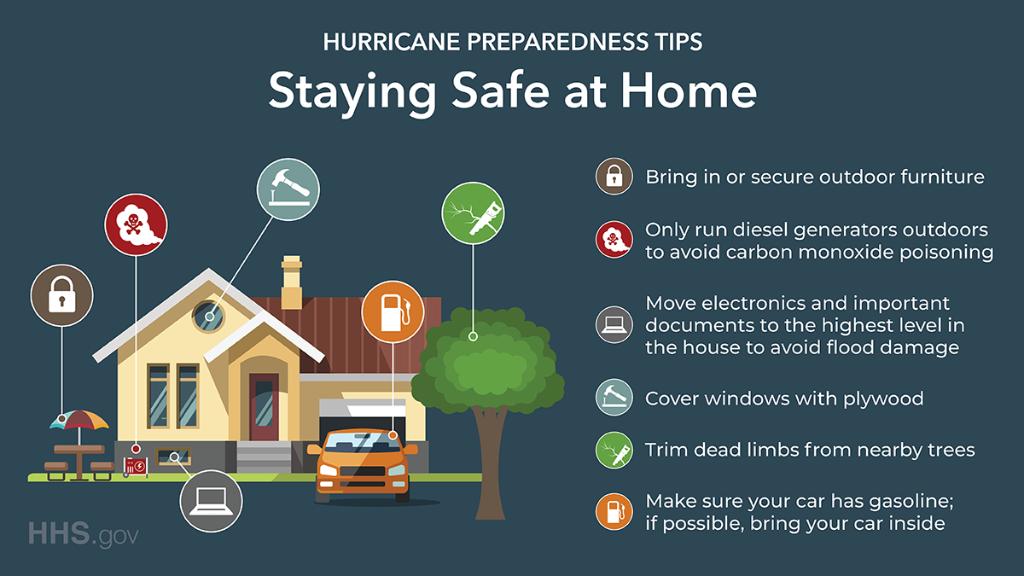
To keep a safe habitat during a storm, focus on securing your home, preparing an emergency kit, and knowing where to shelter. Secure your property by trimming trees, clearing gutters, and reinforcing doors and windows. Create a safe space indoors, away from windows and potential hazards. Assemble an emergency kit with essentials like food, water, a first-aid kit, and a radio. Stay informed about weather alerts and be ready to evacuate if necessary.
Securing Your Home:
- Trim trees and shrubs: Remove dead or overhanging branches that could fall on your house.
- Clear gutters and downspouts: Ensure proper drainage to prevent water damage.
- Reinforce doors and windows: Consider storm shutters or impact-resistant glass.
- Secure outdoor items: Bring in or tie down loose objects like patio furniture, trash cans, and toys.
- Check your roof: Ensure roof tiles and other components are secure.
- Seal cracks and gaps: Prevent wind and water from entering your home.
- Park vehicles safely: Garage them or keep them away from trees and power lines.
- Have a plan for utilities: Know how to turn off gas, electricity, and water if needed.
Preparing an Emergency Kit:
- Water: Have enough for several days.
- Non-perishable food: Canned goods, energy bars, etc.
- First-aid kit: Bandages, antiseptic, pain relievers.
- Flashlight and batteries: Essential for power outages.
- Radio: Battery-powered or hand-cranked to stay informed.
- Medications: Keep a supply of any necessary prescriptions.
- Important documents: Keep them in a waterproof container.
Finding Safe Shelter:
- Interior room: Choose a room on the lowest level, away from windows and doors.
- Basement: If available, a basement can offer good protection.
- Safe room: Consider a reinforced room designed for storm protection.
- Evacuate if advised: Follow instructions from emergency authorities.
Staying Informed:
- Weather alerts: Use a weather radio or app to stay updated.
- Emergency broadcasts: Pay attention to local news and emergency updates.
- Stay indoors: Limit your time outside during a storm.
- Avoid flooded areas: Never drive through or walk in floodwaters.
- Report damage: Once it’s safe, alert your insurance company to any damage
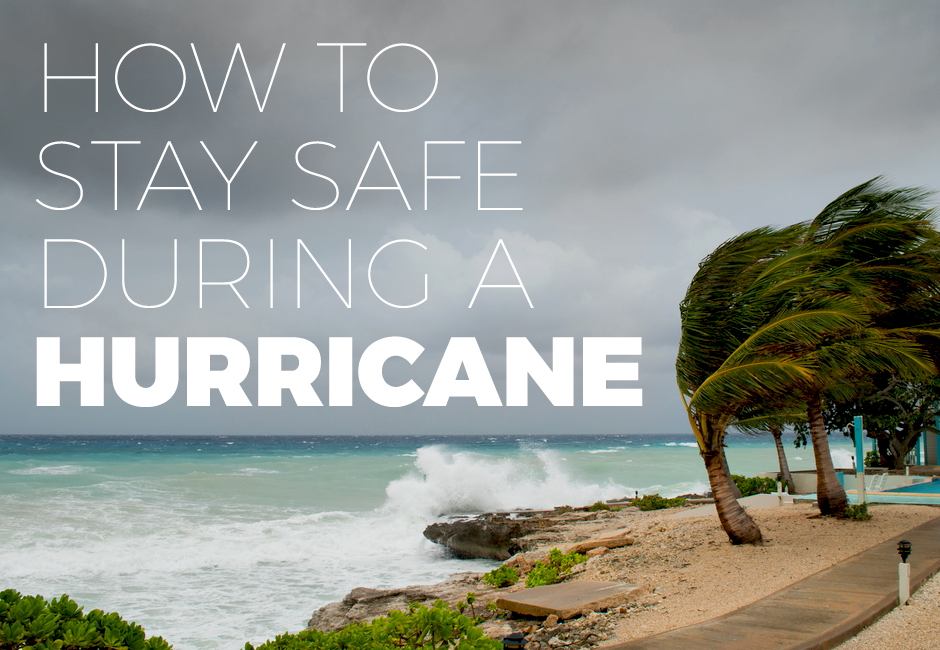
Storms can cause significant damage to your home, from wind and water damage to fallen trees and debris.
While you can’t control the weather, you can take steps to protect your home from storm damage.
Check Your Roof
Your roof is one of the most critical components of your home when it comes to protecting it from the elements. Inspect your roof for any signs of damage or wear and tear. Repair any loose or missing shingles, and ensure that your gutters and downspouts are clean and in good condition.

Trim Trees
Trees can cause significant damage during storms if they fall on your home or other structures. Trim any overhanging branches, and remove any dead or diseased trees or branches.
Secure Outdoor Items
Patio furniture, grills, and other outdoor items can become projectiles during high winds. Secure these items or bring them indoors before a storm hits.
Install Storm Shutters
Storm shutters can provide extra protection for your windows during severe weather conditions. Install storm shutters, or consider purchasing impact-resistant windows.
Reinforce Your Garage Door
Your garage door is another vulnerable area of your home during storms. Reinforce your garage door with a bracing system or replace it with a hurricane-resistant door.
Seal Your Home
Seal any gaps or cracks in your home’s exterior, including around windows and doors. This can help prevent water from entering your home during a storm.
Have a Plan
Have a plan in place for what to do in case of severe weather, including where to go and what to bring with you. Have a backup power source and emergency supplies on hand.
Protecting your home from storm damage is essential to keep your family safe and your property secure. Check your roof, trim trees, secure outdoor items, install storm shutters, reinforce your garage door, seal your home, and have a plan in place for severe weather. By taking these steps, you can help minimize the impact of storms on your home and keep your loved ones safe.
Keeping you and your family safe during a storm
Most storms won’t pose a physical threat. However, this doesn’t mean you shouldn’t exercise caution while they play out. To stay safe during bad weather, remember these top tips:
Try to stay indoors and avoid driving as much as possible
If you do have to leave the house, try to avoid walking near trees or around unsafe structures, such as building sites
Don’t attempt to make any repairs to damaged property while the storm is active
If you must drive, do your best to limit crossing bridges and going down elevated open roads
In case of floods, move important possessions upstairs and keep your valuables (as well as your insurance details) in a waterproof container
If you live alone, arrange for someone to check in on you throughout the day, either in person or by telephone – you might even consider purchasing a personal alarm
In the event of power outages, have alternate heating/lighting to hand, food in your house that doesn’t require cooking to eat, and make sure your phone is fully charged
What to do if your home has been damaged
Once the storm has passed, it’ll be safe for you to check for any damage. Should your home have been affected then you’ll want to let your insurer know as soon as possible if you wish to make a claim. The details of how to start the claims process will be in your policy documents, so make sure you have these to hand.
If the damage to your home requires you to find temporary accommodation, such as after flooding, check your home insurance policy for an ‘alternative accommodation allowance’. This will be the maximum amount your insurer will pay out for any move you have to make, and knowing the budget can provide peace of mind.
Organising home repairs
If you have home emergency help included in your cover, then your insurer will be able to step in and provide access to approved tradespeople to make damage limitation repairs.
If you need to get a professional in to make temporary repairs, you’ll want to keep a detailed record of what repairs were made, costs, and paperwork. Should your insurance cover this work, then you’ll need these details to get your claim paid out quickly.