


Business
The job interview question this talent leader always asks to ‘see how people think about themselves’
It’s often difficult to talk about a failure or shortcoming in a job interview.
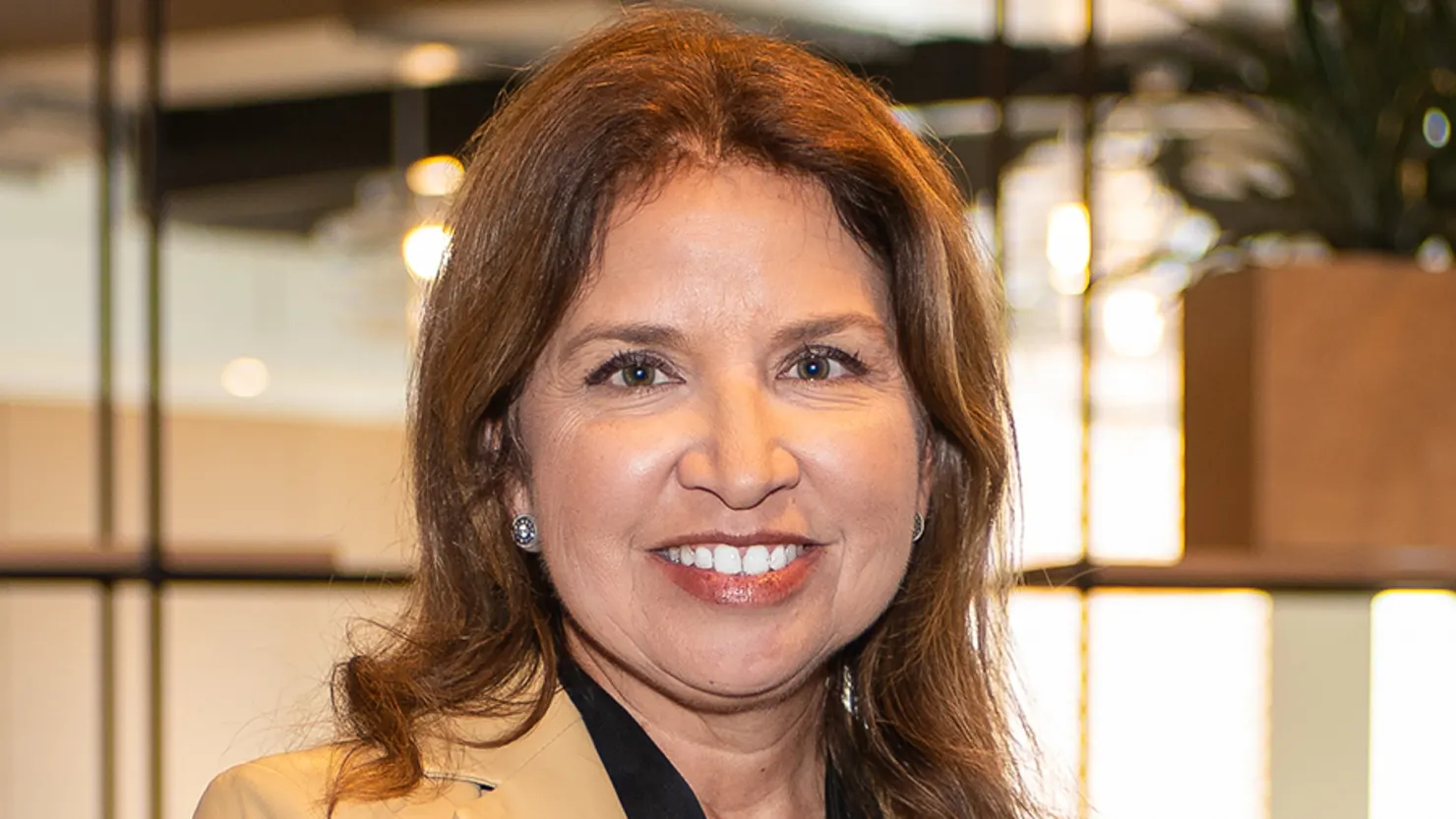
But that’s exactly what Sandra Oliver wants from candidates.
Oliver, who is global assurance talent leader at accounting firm EY, tells CNBC Make It she likes to ask candidates to give an example of a goal they set for themselves and how they achieved it, as well as one goal they didn’t achieve.
“That’s the way I like to start the interviews, to see how people think about themselves,” she says. “People don’t like to ever talk about those things.”

Rather than trying to skirt this discussion, candidates should be willing to talk about failures or mistakes, taking accountability where appropriate and sharing what they were able to learn from them.
Oliver, who often interviews recent grads, says many were high-performing students who struggle talking about challenges rather than successes.
“They’re used to being the best and being successful, and I think it’s really important to learn that when you get into the workforce, success is measured differently,” she says. “It’s not the exam question, it’s not tests, it’s working as a team, and sometimes you’re not going to know things, and that’s okay. Sometimes you may try something or set a goal, and you fail at it, or it doesn’t come out how you think.”
“They’re so programmed to do everything great that it’s hard to really pause and say, okay, how can I learn from the failure?” she adds.
Psychologists have said focusing on what a mistake has taught you can help you reframe failure. Confronting any shame you have around it is key, as is adopting a growth mindset, where you believe your skills and talents can grow over time and that mistakes are part of that process.
“One of the best ways of doing that — of getting better over time — is to actually experience failure, to experience the consequences of messing up,” psychology professor Dr. Laurie Santos previously told CNBC Make It. “That allows us to learn more about how to do better in the future.”
Likewise, EY’s Oliver stresses that “failure kind of is learning.”
“It’s really important to have that mindset when you’re working that you’re going to work as a team,” she says. “You’re going to maybe not have the best idea, or the way to think about it. Somebody’s going to have a different idea, and that’s going to be good, and you’re going to learn from that and take that forward.”
Want to get ahead at work with AI? Sign up for CNBC’s new online course, Beyond the Basics: How to Use AI to Supercharge Your Work. Learn advanced AI skills like building custom GPTs and using AI agents to boost your productivity today.
