Health & Beauty
Urban swimming: six European cities that revived river bathing
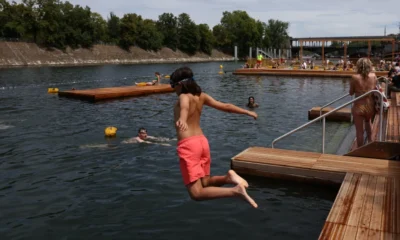
Parisians are swimming in the Seine again following a years-long clean-up – but the French capital isn’t the first European city to bring river bathing back
You might want to pack your swimwear next time you visit Paris. For the first time in more than a century, the once-polluted River Seine is swimmable again following a years-long clean-up and a long-overdue upgrade to the sewage system that was first floated back in the 1980s.
Under the watchful eye of lifeguards, bathers last week plunged into three swimming areas – one near Notre Dame Cathedral, another near the Eiffel Tower and a third in eastern Paris. Talk about scenic backdrops.
The long-awaited return of swimming to the Seine marks a major turnaround for the iconic river, which has also seen a revival of local wildlife. But Paris is not alone in revitalising its waterway.

Copenhagen, Denmark
After successfully evolving into a cycling city, in the 1990s Copenhagen set its sights on becoming a year-round destination for urban swimming. The only thing standing in its way was the toxic harbour, which for years had been blighted by industrial waste and sewage. Investment in the city’s plumbing and a decline in heavy industry soon turned the tide, and by the early 2000s, the harbour had been cleaned up sufficiently to allow for safe swimming. And swim they do. The Danes, of course, are no fair-weather bathers. Even in the depths of winter, the harbour baths are busy.
Oslo, Norway
Like their compatriots in Copenhagen, the good folk of Oslo don’t let the city’s chilly waters stop them from taking the plunge. But pollution once did: for a long time, the city’s harbour was awash with toxic swill from the city’s now-defunct shipbuilding industry. That changed with a port redevelopment and river clean-up – dubbed Fjord City – that made its waters swimmable again and brought beaches and diving towers to the inner harbour. This being Scandinavia, saunas have inevitably popped up beside the water, providing a welcome warm contrast to the icy waters in winter.
Rotterdam, Netherlands
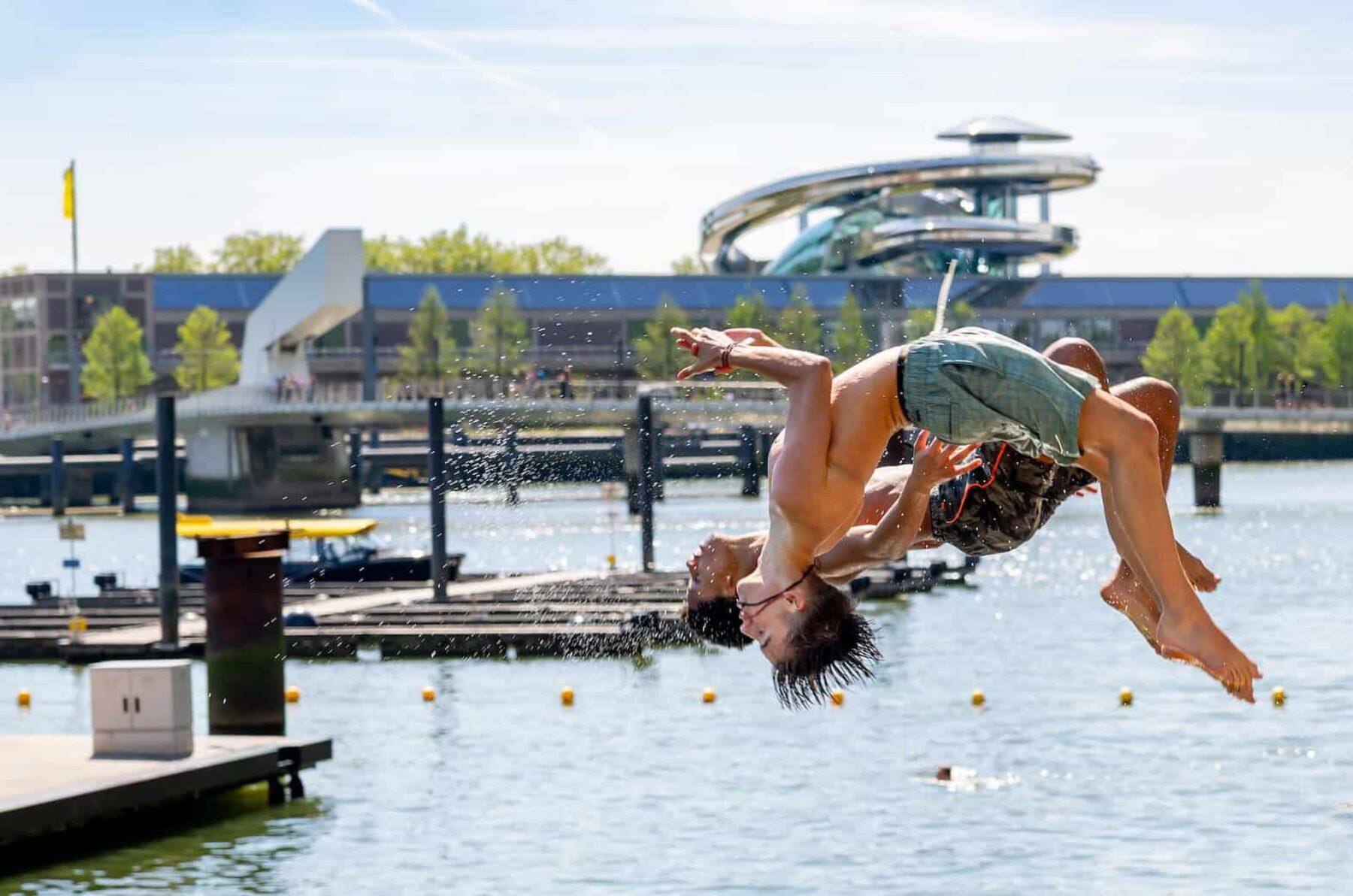
Once the world’s busiest port, Rotterdam was one of the last places you’d want to go wild swimming in Europe. But not any more. With the port now largely relocated out of town, the city has charted an admirable course towards cleaning up the Maas. Urban wetlands have been created along its banks in an attempt to bring wildlife back, while the old dockyard at Rijnhaven has been reimagined as a tree-lined urban beach to improve access to wild spaces for people living in the inner city. Since last year, the water has been clean enough to swim in.
Amsterdam, Netherlands
Rotterdam wasn’t the first Dutch city to bring bathing back: arch rival Amsterdam beat it to it. It takes a brave soul to dip in the Dutch capital’s murky canals, of course, but the river Amstel is safe to splash around in. Bathing sites across the Dutch capital run the gamut from riverside pontoons to urban beaches and tree-lined parks – handily, there’s an online map to locate them all.
Basel, Switzerland
In 1986, the river Rhine turned a terrible red following a disastrous chemical spill in Basel-Landschaft, devastating wildlife and horrifying locals. That people now bathe in the same stretch of river is a welcome reminder of nature’s capacity to recover. Although it’s still a busy commercial route, the Rhine is clean enough to swim in in Basel – and many locals do. Bathing houses along the banks offer changing rooms, showers and sun terraces to top up tans. It’s not the only Swiss city to bring urban swimming back: Bern, Geneva and Zurich have also done so.
Source: positive.news