


Business
Regenerative agriculture isn’t misty-eyed nostalgia, it’s the future
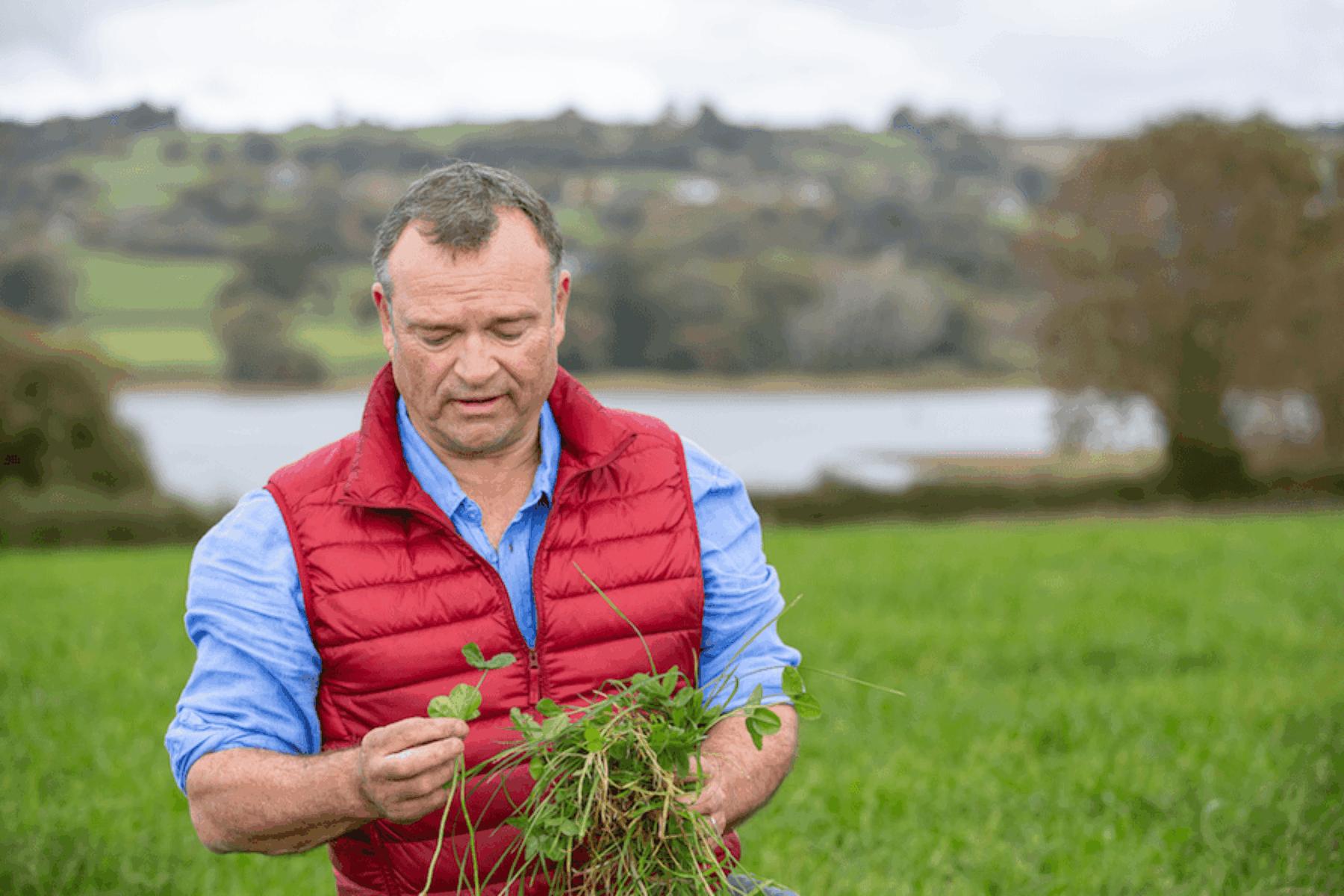
Yeo Valley Organic helped bring organic food to the masses. Now it’s attempting to shift the status quo through regenerative agriculture. Farmer Tim Mead on mob grazing, companion planting and restoring nature one dock beetle at a time
“It’s like growing muesli for cows,” says Yeo Valley Organic farmer Tim Mead, as he describes the smorgasbord of barley, peas and oats that feed the British food brand’s dairy herd – cereals and pulses thriving side-by-side.
“By growing them together instead of in separate fields [a tactic known as companion planting], you get crop resilience, you get the peas fixing nitrogen in the ground for other crops, you get better soil health,” he says.

Yeo Valley Organic led the way in bringing organic food to the masses – the brand got off the ground in the mid-90s but its roots go back to 1961 when Mead’s parents purchased Holt Farm in Blagdon, Somerset. They were humble beginnings – some cows, sheep and a few arable crops, but they soon realised they could do more than dairy farming. In 1972, the couple opened a tearoom and a ‘pick-your-own’ fruit farm. Then came yogurt production and the launch of the Yeo Valley Organic brand in 1994.
Now, the firm is helping sow the seeds of a second revolution, which builds on its successes with organic cultivation: regenerative agriculture. Companion planting is just one technique that Mead and a growing tribe of like-minded farmers are banking on to rebalance agriculture’s relationship with nature, restore its battered image, and maybe even help save the planet.
“You could argue that every farmer who is degrading their soil is on a runway,” Mead says. “And at some point that runway runs out. It’s not a question of if they have to start regenerating it, it’s when.”
At the heart of regenerative farming are a few core principles: keep soil undisturbed, covered in vegetation, rich in living roots and full of diverse crops. These simple shifts lock up carbon while restoring soil’s delicate ecosystem of bugs, fungi and microbes. These in turn keep crops fed and watered, without synthetic fertilisers.
Introducing livestock onto mixed pastures of herbs, grasses and legumes brings other co-benefits: the root structure of the diverse plants breaks up compacted ground, improving water retention, and the cows fertilise it by trampling in plant matter.
While these measures might sound like a throwback, independent regenerative farming consultant Niels Corfield stresses this isn’t misty-eyed nostalgia, it’s the future. One where profit comes not at the expense of nature, but in harmony with it.
“It’s important not to fall into this trap of feeling that regenerative has to be old world and low-yielding,” says Corfield. “We’re seeing that as you improve the health of the land…it becomes more productive, it carries more animals.
Source: positive.news
