Culture & Arts
A Denver dino museum makes a find deep under own parking lot. Like ‘a hole in one from the moon.’
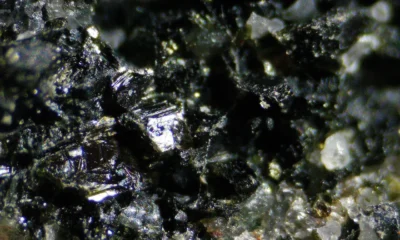
DENVER (AP) — A Denver museum known for its dinosaur displays has made a fossil bone discovery closer to home than anyone ever expected, under its own parking lot.
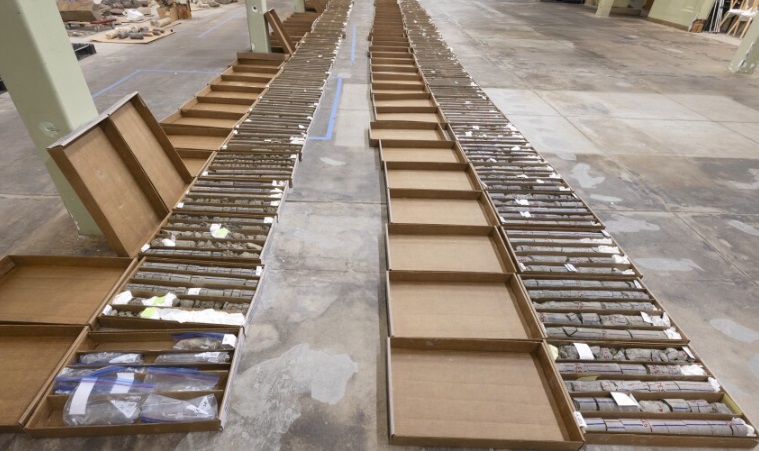
It came from a hole drilled more than 750 feet (230 meters) deep to study geothermal heating potential for the Denver Museum of Nature and Science.
The museum is popular with dinosaur enthusiasts of all ages. Full-size dinosaur skeletons amaze kiddos barely knee-high to a parent, much less to a Tyrannosaurus.

This latest find is not so visually impressive. Even so, the odds of finding the hockey-puck-shaped fossil sample were impressively small.
With a bore only a couple of inches (5 centimeters) wide, museum officials struggled to describe just how unlikely it was to hit a dinosaur, even in a region with a fair number of such fossils.
“Finding a dinosaur bone in a core is like hitting a hole in one from the moon. It’s like winning the Willy Wonka factory. It’s incredible, it’s super rare,” said James Hagadorn, the museum’s curator of geology.
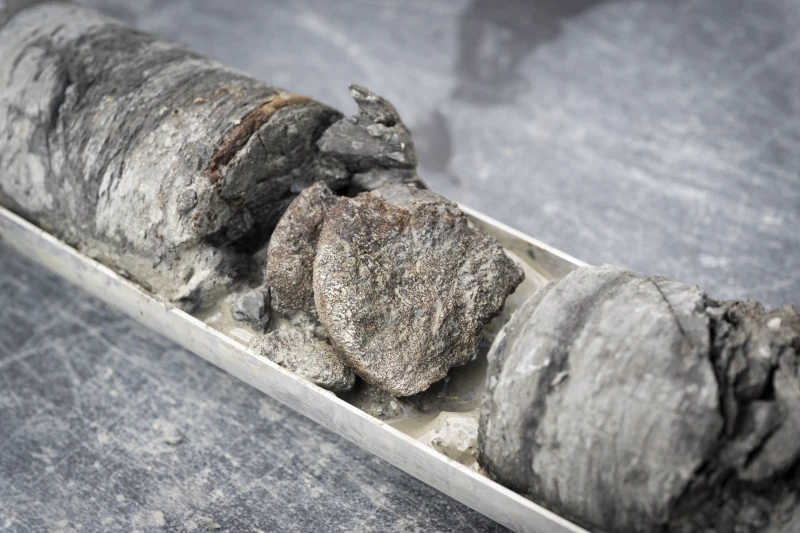
Only two similar finds have been noted in bore hole samples anywhere in the world, not to mention on the grounds of a dinosaur museum, according to museum officials.
A vertebra of a smallish, plant-eating dinosaur is believed to be the source. It lived in the late Cretaceous period around 67.5 million years ago. An asteroid impact brought the long era of dinosaurs to an end around 66 million years ago, according to scientists.
Fossilized vegetation also was found in the bore hole near the bone.
“This animal was living in what was probably a swampy environment that would have been heavily vegetated at the time,” said Patrick O’Connor, curator of vertebrate paleontology at the Denver Museum of Nature and Science.
Dinosaur discoveries in the area over the years include portions of Tyrannosaurus rex and triceratops-type fossils. This one is Denver’s deepest and oldest yet, O’Connor said.
Source: apnews.com