World News
Scientists say they have identified Earth’s oldest rocks. It could reveal an unknown chapter in our planet’s history
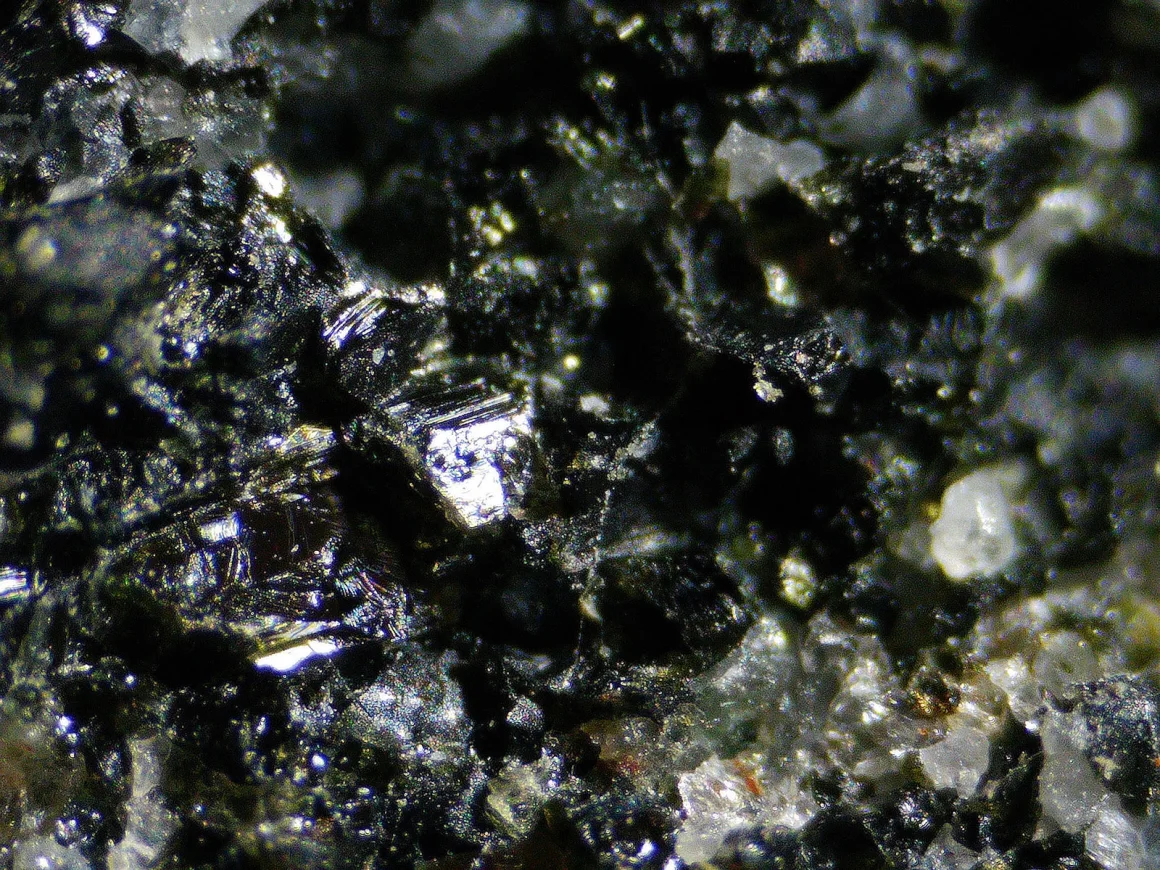
A rocky outcrop in a remote corner of northern Quebec appears serene in its eerie isolation on the eastern shore of Canada’s Hudson Bay.
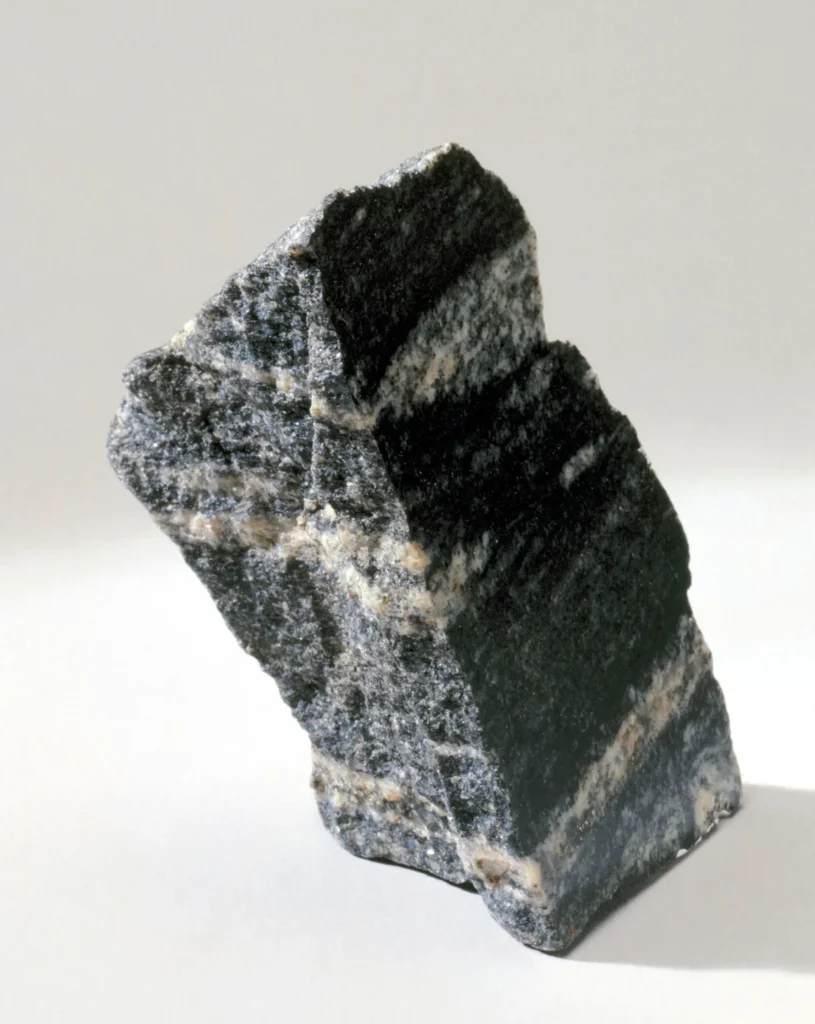
But over the past two decades, this exposed remnant of ancient ocean floor, known as the Nuvvuagittuq Greenstone Belt, has been a heated scientific battleground in the quest to identify Earth’s oldest rock.
New research suggests that the geological site harbors the oldest known surviving fragments of Earth’s crust, dating back to 4.16 billion years ago. It’s the only rock determined to be from the first of four geological eons in our planet’s history: the Hadean, which began 4.6 billion years ago when the world was hot, turbulent and hell-like.

“Rocks are books for geologists … and right now we’re missing the book (on the Hadean). The Nuvvuagittuq Greenstone Belt would be at least one page of that book, so that’s why it’s so important,” said geologist Jonathan O’Neil, author of the research published Thursday in the journal Science.
The Nuvvuagittuq Greenstone Belt has been dated several times by different research groups, with widely divergent results. Most agree the rock is at least 3.75 billion years old — but that wouldn’t make it Earth’s oldest.
The Acasta Gneiss Complex, a group of rocks exposed along a riverbank nearly 200 miles (300 kilometers) north of Yellowknife, in northwestern Canada, is more widely agreed to be the planet’s oldest geological formation. These rocks are unambiguously dated at 4.03 billion years old, marking the boundary between the Hadean Eon and the next chapter in Earth’s history: the Archean. (There are older rocks on the planet — but not from the planet — that aren’t part of this debate: Some meteorites are 4.5 billion years old.)
A controversial 2008 paper coauthored by O’ Neil, who has been studying the site since he was a doctoral student, argued Nuvvuagittuq Greenstone Belt was 4.3 billion years old; however, other geologists took issue with the limits of the dating techniques and how the data was interpreted. With this latest paper, O’Neil, now an associate professor at the University of Ottawa in the department of Earth and environmental sciences, aims to prove his critics wrong.
How to date rock
Dating rocks involves using radiometric techniques that harness the natural and spontaneous radioactive decay of certain elements in the rock, which acts as a type of clock.
O’Neil uses an hourglass analogy: Imagine counting grains of sand at the top (radioactive elements) and bottom (elements produced from radioactive decay). Knowing the speed of the flowing grains (which represents the decay rate), allows scientists to date rocks. Some of these radiometric clocks are robust and can withstand the high temperatures and pressures Earth’s crust has endured over the eons, while others are more affected by these processes.
The gold standard and easiest way to date very old rock formations is with a very tough mineral known as a zircon. These tiny crystals incorporate a bit of uranium into their structure, and researchers can pinpoint their age by measuring the radioactive decay of uranium atoms, which turn into lead at a known rate.
However, the Nuvvuagittuq Greenstone Belt — which was mapped after a geological survey in the 1960s but first attracted scientific attention in the early 2000s — contains very few rocks bearing zircons as they rarely occur in specimens with lower levels of silicon, including ones that were once ancient ocean crust.
“We tried to find zircons. They’re just not there, or formed at a later time during the metamorphism or cooking of the rocks,” O’Neil said. Metamorphic rock is that which has been transformed by heat, pressure or other natural forces.
Instead, for the new study, O’Neil turned to the rare earth element samarium, which decays into the element neodymium. It’s a technique that has been used to date meteorites because the elements were only active more than 4 billion years ago.
Source: CNN.com