
Health & Beauty
Could Lymphatic Drainage Massage Help Improve Your Digestion?
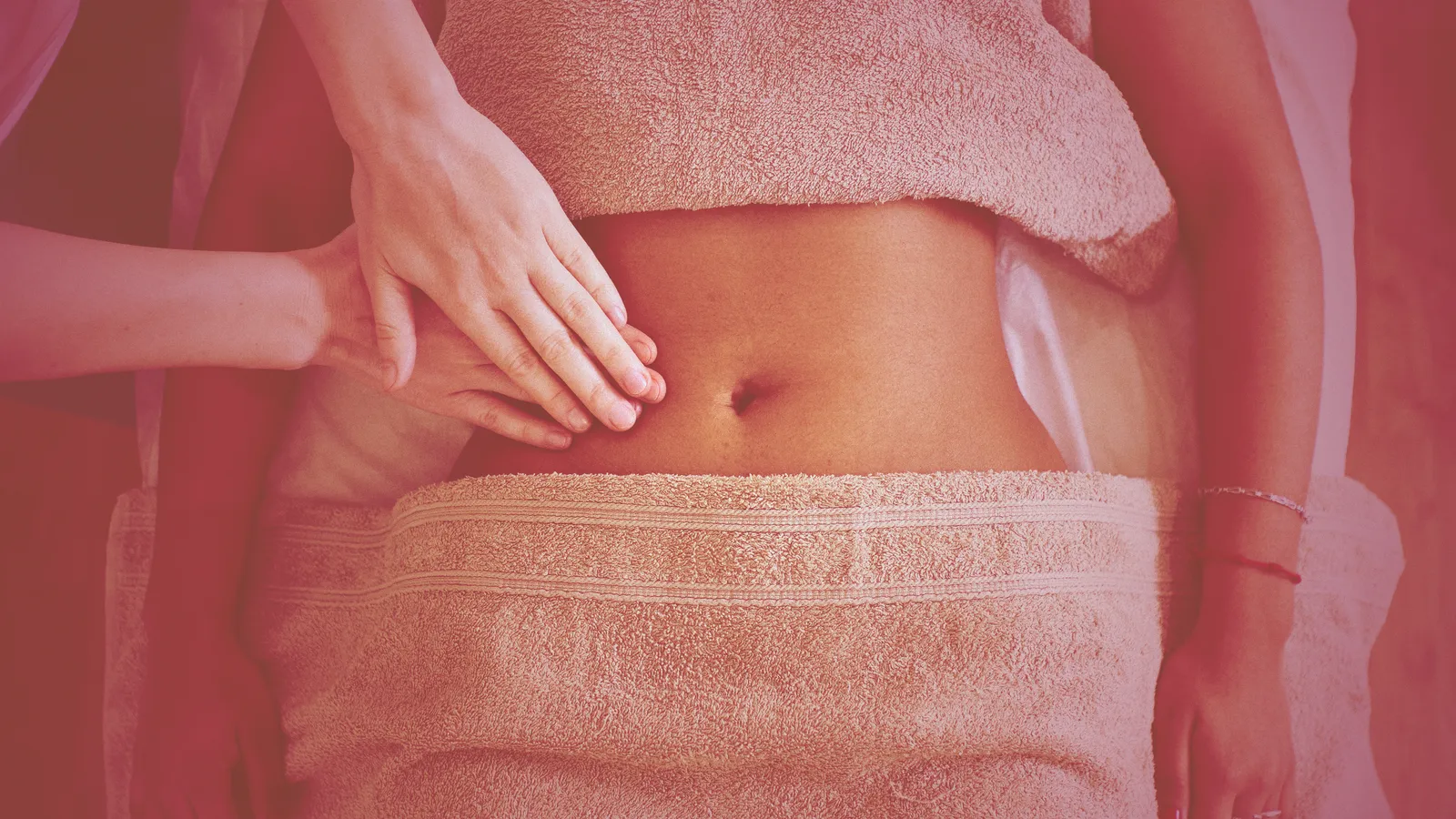
Lymphatic drainage has been popular in the medical community — particularly for people who struggle with swelling — for quite some time now. But recently, the massage technique has become a buzzy topic in the wellness community for its alleged whole-body health benefits.
I was eager to see what all of the hype was about, so I went to Sage + Sound, a wellness center in New York City, to dive into the experience. The process began with a massage therapist applying magnesium lotion to my body and wrapping me in black plastic before I headed into a sauna. There, I worked up a sweat and relaxed for about 20 minutes. The lotion and time spent in a heated environment help warm up your muscles before you dive into the intense process that is a lymphatic massage (more on that in a moment).
Though every lymphatic drainage massage experience differs depending on where you go, the technique itself remains the same. I talked to lymphatic massage experts to get more information about the method and its benefits. Here’s what they had to say.

What is lymphatic drainage and how does a lymphatic massage work?
The lymph is a part of your body’s immune system that includes a network of vessels and nodes. Lymph fluid, which contains proteins, salt, water, and white blood cells, circulates through this network and helps fight infection. The lymphatic system helps support the immune system and regulate fluid levels in the body, says Nasreen Starner, a certified lymphedema therapist at the Cleveland Clinic.
By targeting the connective tissues through manual movements, lymphatic drainage massage supports the natural flow of the lymphatic system. “Lymphatic massage can help to move the lymph fluid through areas of poor function to reduce swelling and move toxins out of the body,” says Danielle Kadian-Dodov, MD, a board-certified vascular physician and assistant professor of medicine at the Icahn School of Medicine at Mount Sinai in New York City.
The technique, which was developed by Dr. Emil Vodder in the 1930s, evolved in Europe and has only recently become more mainstream in the United States, says Robin Ehrlich, a massage therapist and director of Eastside Massage Therapy in New York City. Specific strokes, with a pressure phase and release phase, are utilized by trained therapists “to assist with rerouting lymph fluid from soft tissue so it can be properly filtered out of the body,” says Starner.
Since technique is key, it’s important to seek out a certified professional. Certified lymphedema therapists (CLT) are licensed health care providers, including registered nurses, occupational or physical therapists, and medical doctors of osteopathic medicine, who have completed a course in complete decongestive therapy (CDT), says Dr. Kadian-Dodov. Certified manual lymphatic drainage therapists (CMLDT) have completed similar but less extensive coursework.
What are the benefits of draining the lymphatic system?
During a lymphatic massage, lymphatic fluid is intentionally directed away from areas of poor function to the lymph nodes to allow for the clearance of toxins and mobilization of the fluid, says Dr. Kadian-Dodov. The massage can also stimulate the parasympathetic nerves, which counter stress signals in the body from the sympathetic nerves.
Rerouting this protein-rich fluid during lymphatic massage reduces the risk of infection, improves circulation, and clears waste products from the body, which, in turn, can improve energy levels and quality of life, says Starner. Numerous studies have pointed to this as well.
Can you see a difference before and after a lymphatic drainage massage?
Visible differences before and after lymphatic drainage massages may be subtle and, of course, the answer to this question is very situational. It’s important to consider why you pursued this specific massage technique in the first place and what kind of tangible results you’re looking for.
Some people notice a significant reduction in swelling or puffiness in certain areas of the body, particularly under the eyes, says Maurice Beer, MD, a board-certified internist and the medical director at New York City wellness destination Clean Market. After a lymphatic drainage massage, you may also notice that you’re experiencing less achiness or discomfort with movement, he adds.
There may also be benefits when it comes to digestion. There’s clinical evidence that abdominal massage, specifically manual lymphatic massage, may help relieve symptoms of constipation, says Dr. Kadian-Dodov. Massage can stimulate the bowels to move and increase parasympathetic nerve activity to promote relaxation and normal bowel movements.
Can you do a lymphatic drainage massage by yourself at home?
You can do a lymphatic massage on yourself at home, but you can’t expect to get the same results that you would from a certified professional with knowledge of the lymphatic system.
Article from allure.com