


Health & Beauty
The vitality of the body in the cold season and how we can optimize our energy
The vitality of the body in the cold season and how we can optimize our energy
We have all experienced and felt what temperature differences mean for the body and how they can change our moods or the energy of our body. We have around us, both in nature and in the techniques that the masters of time have always transmitted, solutions to increase our body’s resistance capacity in the cold season or in rapid temperature differences in the environment. Our body is acclimatized to a constant temperature, but it depends on us how much we contribute to be able to keep this energetic aura at high vibration levels and pleasantly harmonized with all body functions.
Slow movements with a slightly tense muscular structure are recommended to be performed daily for active mobility and increase the energy ratio that leads to a warming up of the body. Sequences of exercises performed daily at the beginning of the day raise our body’s capacity for action and the level of vitality in an optimal functioning of each system.

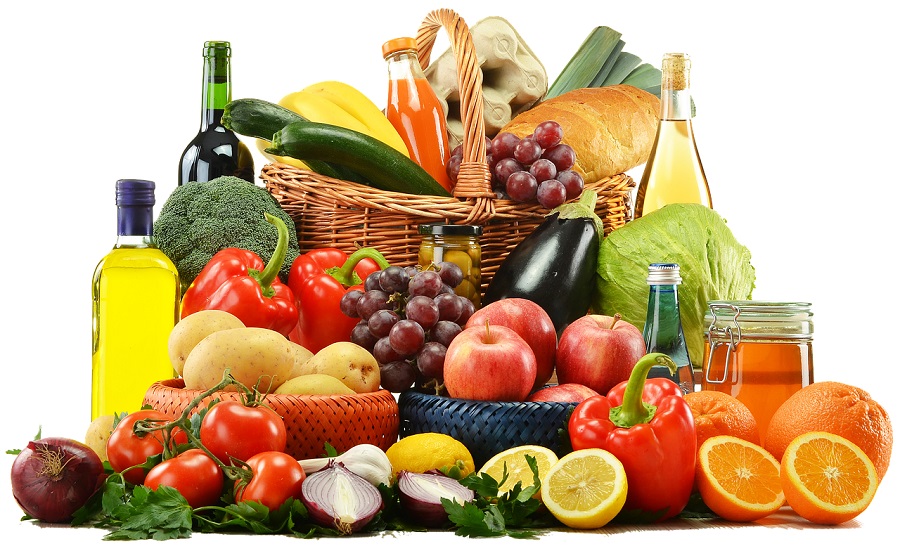
Nature, by its excellence, presents us with a variety of high-quality foods whose role, through the supply of minerals, vitamins, antioxidants, nutrients and antiseptic properties, is to increase the body’s resistance level through an optimal balance of these elements that in a balanced concentration are transferred to the organism and are filtered by the internal organs, which in reaction increases the vitality and energy of the entire body.
Today I will make a selection of the fruits of nature that are certainly already present in the gastronomic seasonings of each of you, therefore we can mention: onion; chili pepper; cabbage; garlic; honey with its derivatives such as pollen, propolis, pasture; beetroot; black radish, celery; carrot; plum; greens; thyme; green tea; citrus fruits; quince; nuts.
And to be as transparent as possible, I will make a short selection of some of these wonders of nature, as AI ordered them.
Onions contain vitamins (A, C, B6, K, B1), minerals (potassium, iron, calcium, magnesium, phosphorus, manganese, copper, sodium), antioxidants (quercetin, selenium), dietary fiber, carbohydrates and sulfur compounds. They also have a rich water content.
Vitamins
Vitamins C, B6, B1, K, A, B2: Contribute to various metabolic functions and strengthen the immune system.
B vitamins: Along with other vitamins, help with cellular processes.
Minerals @ Potassium: Important for heart health.
Iron, calcium, magnesium, phosphorus: Essential for bones, muscles and blood.
Manganese, copper: Contribute to metabolism and cellular protection.
Sodium: Important for fluid balance in the body.
Antioxidants and Bioactive Compounds
Quercetin: A powerful flavonoid with anti-inflammatory and antioxidant properties.
Sulfuric compounds: Responsible for the specific aroma and taste of onions, helping to reduce cholesterol levels and prevent blood clots.
Phytoncides: Natural substances with antiseptic and antimicrobial properties.
Other nutrients
Dietary fiber: Contributes to digestive health.
Carbohydrates: Source of energy.
Water: Onions contain a large amount of water, especially in their raw state.
Chili peppers contain capsaicin, the main compound responsible for their heat, along with vitamins (C, B6, K), minerals (potassium, copper), antioxidants (such as beta-carotene, capsanthin, and sinapic acid), and various carotenoids. They also contain water, fiber, protein, fat, and carbohydrates, but in smaller amounts.
Main Compound
Capsaicinǎ: An alkaloid that gives peppers their hot taste, triggering a burning sensation by attaching to receptors on the tongue.
Vitamins
Vitamin C: Important for the immune system and skin health.
Vitamin B6: Involved in energy metabolism.
Vitamin K: Essential for blood clotting and bone health.
Minerals
Potassium: Helps maintain cardiovascular health.
Copper: Important for bone and nervous system health.
Antioxidants and Pigments
Beta-carotene: A precursor to vitamin A, with an antioxidant role.
Capsanthin: The main carotenoid in red chili peppers, responsible for their color and with an antioxidant effect.
Violaxanthin: An antioxidant carotenoid, most abundant in yellow peppers.
Lutein: Important for eye health, present in green chili peppers.
Sinapic acid and ferulic acid: Other antioxidant compounds.
Macronutrients
Water: Chili peppers are largely made up of water.
Fiber: Contributes to digestive health.
Protein, fat, and carbohydrates: Present in smaller amounts.
===================
Sauerkraut contains vitamins (K, C, B1, B6, B9), minerals (potassium, calcium, magnesium), fiber, water, antioxidants, and phytonutrients. It also includes small amounts of iron, vitamin A, and riboflavin (vitamin B2). In addition, sauerkraut develops probiotics that are beneficial for digestion.
Vitamins
Vitamin K: Essential for blood clotting and bone health.
Vitamin C: A powerful antioxidant that supports the immune system.
B-complex vitamins:
Folate (B9): Important for cell growth.
B6: Involved in protein metabolism and neurotransmitter production.
B1 (Thiamine): Role in energy metabolism.
Vitamin A: Necessary for vision and immunity, found in the form of carotenoids that are converted to vitamin A in the body.
Vitamin E: Another important antioxidant.
Minerals
Potassium: Helps regulate blood pressure.
Calcium: Important for bones and teeth.
Magnesium: Involved in hundreds of enzymatic processes in the body.
Iron: Necessary for oxygen transport.
Manganese: Essential for enzyme function and energy metabolism.
Other compounds
Fiber: Contributes to healthy digestion.
Water: Cabbage is high in water, which helps keep you hydrated.
Antioxidants: Such as sulforaphane and resveratrol, which protect cells from damage.
Glutamine: An essential amino acid.
Folic acid: Essential for cell division.
Probiotics: In sauerkraut, which helps balance your gut flora.
================
Honey and pollen contain vitamins (B complex, C, A, D, E, K), minerals (potassium, magnesium, calcium, iron, zinc, selenium), proteins, amino acids, carbohydrates (glucose, fructose, fiber), and lipids (including omega-3 and omega-6 fatty acids), along with bioactive compounds such as enzymes and antioxidants (flavonoids, carotenoids). Pollen, in particular, is a very rich source of protein and essential amino acids, while honey is valued for its antioxidant and antibacterial compounds.
Detailed Nutritional Composition
Vitamins: Both contain vitamins such as the B complex (B1, B2, B3, B5, B6), vitamins C, A, D, E and K.
Minerals: Of note are potassium, magnesium, calcium, iron, zinc and selenium, which are important for various body functions.
Protein and Amino Acids: Pollen is an excellent source of protein and all the essential amino acids, while honey contains smaller amounts of protein and amino acids.
Carbohydrates: Contains simple sugars (glucose, fructose) for quick energy and fiber for digestive health.
Fats: Pollen contains healthy fats, including essential omega-3 and omega-6 fatty acids, which are necessary for brain and heart function.
Bioactive compounds: Both contain enzymes, antioxidants (flavonoids, carotenoids) and other bioactive compounds that protect the body.
Start today and balance your life habits by making choices that are beneficial to your body, mind and energy that govern your body’s ability to mobilize.
