Health & Beauty
Should You Try Fibermaxxing? Why Doctors And Nutrition Pros Say Yes
A new viral social media trend has everyone “fibermaxxing.”
This basically means you’re aiming to “meet or exceed” the recommended daily fiber intake.
Only 5 percent of people get enough fiber in their diets, according to experts, so eating more is a smart move.
There’s no doubt about it: Fiber has become the supplement queen these past few years. It makes sense, considering it can do everything from support your digestive health to help with weight management. And, as with any buzzy health trend, fiber has slowly made its way onto the TikTok algorithm, with users pointing out its health benefits and telling followers they’re prioritizing high fiber foods. They’ve even come up with a new term, “fibermaxxing,” to describe this intense fiber focus.
But what is fibermaxxing, exactly, and is this a social media health trend something you should actually try? Women’s Health asked some experts to weigh in, and they had a few thoughts on things to consider before diving in.

Technically, “fibermaxxing” isn’t a medical term, but it’s based on nutritional recommendations on how much fiber to eat in a day. The practice “encourages maximizing fiber intake in meals and snacks to promote digestive health and overall well-being,” explains Sara K. Riehm, RD, a dietitian at Orlando Health Center for Health Improvement.
With fibermaxxing, you aim to “meet or exceed” the recommended daily fiber intake, which is usually between 25 to 38 grams for adults. People do this by eating a range of fiber-rich foods and sometimes by using supplements, Riehm explains.
FWIW, some of the biggest sources of dietary fiber include unsweetened, high-fiber cereal, bulgar wheat, lima beans, Brussels sprouts, and sweet potato, according to the Dietary Guidelines for Americans. “We’re going to see fiber showing up in the highest amounts in plant foods,” Riehm says.
There are two main types of fiber: Soluble and insoluble. “Soluble fiber slows digestion, while insoluble fiber speeds up digestion,” Riehm says. “We can use these to our advantage when we’re dealing with diarrhea or constipation respectively.”
Why are people fibermaxxing?
Well, getting enough fiber really is great for your overall health. Fiber is a macronutrient with plenty of health perks, but research suggests that just 5 percent of people get enough fiber in their diet. “Fiber will help keep your colonic movements regular,” says Mir Ali, MD, board certified general surgeon, bariatric surgeon and medical director of MemorialCare Surgical Weight Loss Center at Orange Coast Medical Center in Fountain Valley, CA. “It helps maintain a healthy gut flora, which could be important for maintaining normal metabolism and hormone levels.”
Fiber can help lower cholesterol, too. “Soluble fiber will bind to cholesterol molecules and help us excrete them rather than them getting absorbed into the bloodstream,” Riehm says. Because soluble fiber is digested slower, it helps with blood sugar control, too, she says.
Fiber even adds bulk to your food, making you feel fuller, longer, and potentially helping to support weight loss, Dr. Ali says.
“It’s a very powerful super nutrient, so including more of it in our diet can really make a positive impact on our health,” Riehm adds.
Is fibermaxxing safe?
For the most part, experts say you’re just fine to try fibermaxxing. “This is one of the safer nutrition trends I’ve seen,” Riehm says. “It’s focused on consuming nutrient-dense foods and including more of one of the most beneficial components of our diet.”
But, of course, everyone is different. “There’s always a chance someone could have too much of a good thing,” Riehm says. “There are certain GI conditions where it isn’t appropriate to have high levels of fiber, and you may want to talk to your doctor before implementing a meal plan like this.”
How do I start fibermaxxing?
Dr. Ali and Riehm stress the importance of ramping up your fiber intake slowly. Meaning, don’t just suddenly go all in with fiber if you haven’t had much in the past. Otherwise, you could end up dealing with gas and bloating.
“You also want to make sure you’re drinking a lot of fluids,” Ali says. “If you don’t drink enough, fiber can bind you up, leading to constipation.”
Sounds like you might be interested? Experts generally say ‘go for it.’ Just remember to start slow.
Source: womenshealtmag.com
How Much Fiber Do You Need?
The recommended daily intake of dietary fiber varies based on age and gender. According to the Institute of Medicine, men under 50 should aim for 38 grams of fiber daily, while men over 50 should aim for 30 grams. For women under 50, the recommendation is 25 grams per day, and for women over 50, it’s 21 grams. However, these are general guidelines, and individual needs may vary. It’s always wise to consult with a healthcare professional for more personalized dietary advice.
Why Fiber Matters
Fiber is a game-changer nutrient in the world of nutrition. It’s the unsung hero of a balanced diet, functioning as the underpinning of optimal digestive health and playing a pivotal role in maintaining overall well-being. Along with helping promote regular bowel movements, it can also increase satiety, helping you feel fuller for longer. It even plays a role in controlling blood sugar, and certain types of fiber are associated with a lower risk of heart disease due to its ability to reduce levels of LDL (“bad”) cholesterol.
Unfortunately, many people aren’t consuming the recommended amount of fiber every day, says Mary Ellen Phipps, MPH, RDN, LD. And not consuming enough fiber can be linked to some unsavory effects, including constipation, elevated blood sugars, and more.
Types of Fiber
There are two main types of fiber: soluble and insoluble. The soluble variety (found in foods like oats, avocado, and apples) has “beneficial effects on satiety, blood-sugar control, and blood cholesterol management,” says Kelly Jones, MS, RD, LDN. “When soluble fiber dissolves in digestive liquids, it forms a gel, causing food to move more slowly through the digestive tract. This can help you feel fuller for longer while slowing the release of energy into the bloodstream, aiding in more stable energy levels as well as a reduced chance of a quick rise and subsequent quick drop in blood sugar.”
“Soluble fiber has been shown to lower LDL (‘bad’) cholesterol levels by binding to cholesterol particles and helping the body flush them out,” Dr. Cardel says. On top of that, soluble fiber is known to support microbiome health as a prebiotic, Jones explains. As a reminder, prebiotics act as fuel for the beneficial bacteria living in your gut.
Insoluble fiber, on the other hand, acts as a natural laxative, enhancing digestive health by adding bulk to the stool and promoting regular bowel movements because it doesn’t dissolve in water. Sources of insoluble fiber include whole grains, wheat bran, and nuts.
How to Get More Fiber
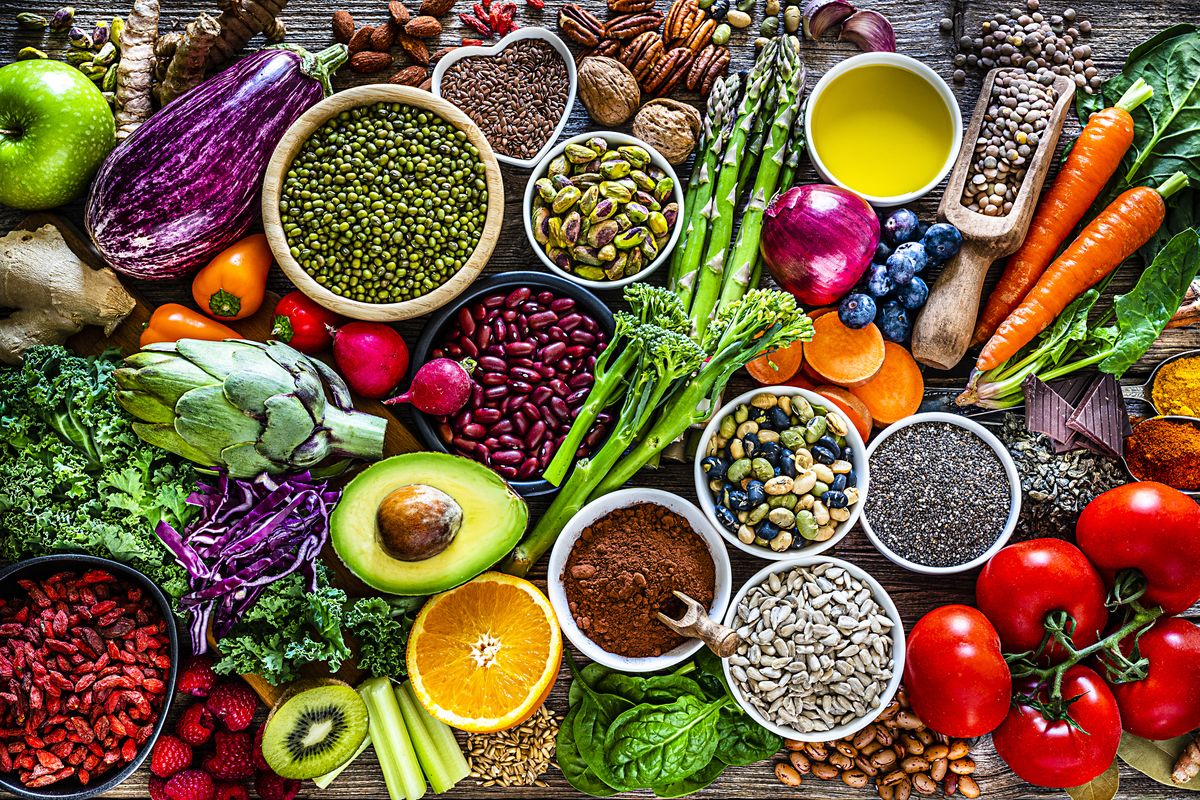
Research in The BMJ shows that most adult Americans consume around 17 grams of fiber per day, which is far less than what’s recommended. Luckily, bumping up your fiber intake is simple to do with a little know-how. Here are some fiber powerhouses to keep in mind (whether you’re interested in fibermaxxing or not):
Whole grains (oats, quinoa, brown rice)
Beans
Lentils
Berries (especially blueberries and raspberries)
Apples
Bananas
Pears
Avocados
Veggies
Popcorn
Dark chocolate
Nuts (almonds, walnuts)
Seeds (chia seeds, flax seeds)
No matter what you choose, start small by having a bowl of oatmeal for breakfast, adding some extra veggies to your soup, or snacking on an apple at lunchtime. “If you’re looking to increase your fiber intake, increase gradually,” Phipps advises. “Even adding five grams of fiber per day can impact GI health and blood-sugar balance.”
What Happens If You Eat Too Much Fiber?
A word of caution before going all-in on the fibermaxxing trend: while a high-fiber diet has many advantages, adding too much fiber too quickly can lead to discomfort. “If your fiber intake is low, it’s best to take the slow and steady approach to avoid irritating your gut bacteria,” Dr. Cardel says. “When there’s too much fermentable fiber in your gut, this can lead to excess gas production, bloating, and disruption in motility.” She recommends starting with half the recommended dosage (or even less if your fiber intake is on the lower side).
Source: popsugar.com