
Health & Beauty
Heartburn or something more serious? When to get chest pains checked out
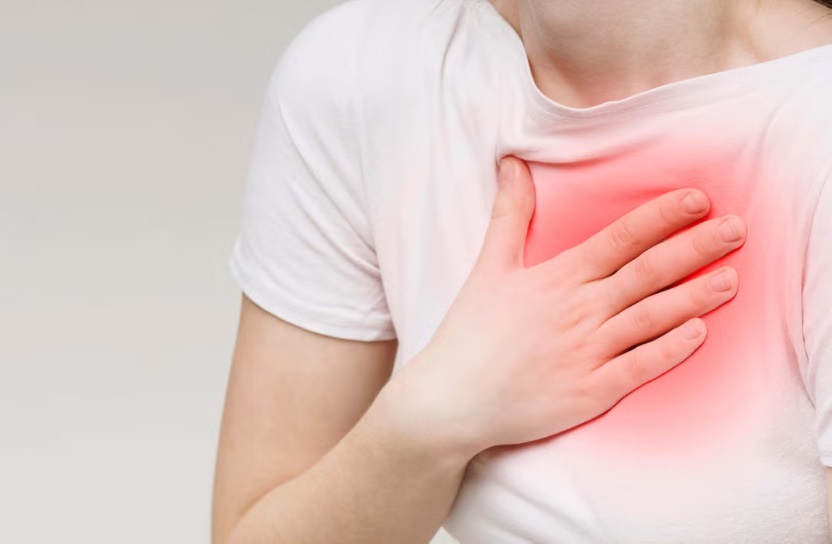
While heartburn is usually a harmless reaction linked to digestion, it can sometimes point to underlying health issues
That burning pain in the chest after after a heavy meal? You can often dismiss it as nothing more than heartburn.
But while it is usually a harmless reaction linked to digestion, it can sometimes point to underlying health issues.

One of these is Barrett’s oesophagus, a condition where some of the cells in your oesophagus grow abnormally, which increases your risk of oesophageal cancer, according to the NHS website.
Starting next year, about 1,500 people in London and the East Midlands will be offered new “heartburn health checks” to screen for Barrett’s oesophagus. The test involves swallowing a capsule on a string, which dissolves in the stomach to release a small sponge. After a few minutes, NHS staff retrieve the sponge, which collects cells from the oesophagus for lab analysis.
Professor Peter Johnson, NHS national cancer director, said: “For the majority of people with persistent reflux, these quick and easy heartburn health checks will provide peace of mind that you aren’t at increased risk of cancer, and for those who do find out they have Barrett’s oesophagus, regular follow-up checks will be put in place so any further cell changes can be spotted early.”
“Heartburn, also known as reflux, is characterised by a burning discomfort or pain behind the breastbone, which can sometimes extend into the throat,” explains Dr Matthew Long, consultant gastroenterologist at The Lister Hospital, part of HCA Healthcare UK.
“It usually occurs after eating or when lying down and is caused by stomach acid irritating the lining of the oesophagus. Additional symptoms may include a sour taste in the mouth, hoarseness, or a chronic cough.”
What typically causes heartburn?
“The most common cause of heartburn is acid reflux, which occurs when the lower oesophageal sphincter – the ring of muscle at the bottom of the oesophagus – weakens or relaxes inappropriately,” explains Long. “Heartburn may also be associated with a hiatus hernia, where part of the stomach pushes through the diaphragm opening that the oesophagus passes through. This condition allows stomach acid to travel upwards.
“Common triggers include large or fatty meals, alcohol, caffeine, smoking, and being overweight. Stress and certain medications can also contribute.”
How is mild or occasional heartburn managed and treated?
“Mild or occasional heartburn can often be managed with simple lifestyle changes, such as eating smaller meals, avoiding late-night eating, reducing alcohol and spicy or fatty food intake, and losing weight if necessary,” says Long. “Over-the-counter treatments like antacids, alginates, or proton pump inhibitors (PPIs) such as omeprazole can also be effective. If symptoms persist, seeking medical advice is recommended.”
Do people get confused between heartburn and chest pain symptoms related to heart attacks?
“Yes, the symptoms can overlap, as both can cause burning or pressure in the chest,” confirms Long. “However, cardiac chest pain often feels heavier, may spread to the arms or jaw, and is more likely to occur during exertion.
“If there is any doubt, particularly in someone at risk of heart disease, it is important to treat it as a possible heart attack and call 999. Delays in seeking help can be life-threatening.”
Can frequent or severe heartburn be a sign of a more serious condition?
“Persistent heartburn, especially if it occurs on most days for three weeks or more, can sometimes signal a more serious issue,” says Long. “One concern is Barrett’s oesophagus.
“As this condition can increase the risk of oesophageal cancer, it is important not to ignore ongoing symptoms.”
Source: independent.co.uk