
Economy
The monetary circuit in the combination of current financial conventions
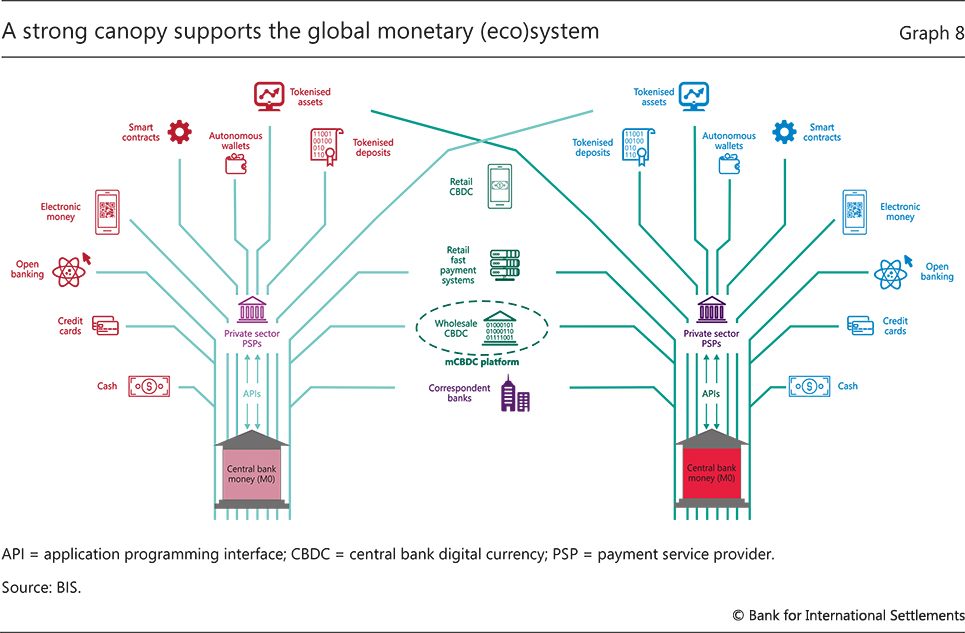
Macroeconomics surprises us with a potential converted from this corporatist multi-diversity of production units, which overheats the financial system by determining managers to take from the financial markets the appropriate monetary amounts for modernization or development plans. A monetary flow formed by connecting values that are defined to circulate freely in a market of services or goods, carries a characteristic of equilibrium through the vectors that emerge from the correlations of each commercial relationship in particular.
Today’s monetary circuit is increasingly difficult to close in a classic linear model. Money circulates not only through the economy, but also through parallel systems – blockchain, token markets, and global networks. In this context, financial conventions have adapted – moving from centralized control to distributed conventions, with multiple actors and automated mechanisms (e.g. smart contracts).
Therefore, combining current financial conventions with the classical monetary circuit requires economists to revise their assumptions about what “currency” is, who controls it, and how it circulates in the economy.

The role of central banks and the fragmentation of monetary power
From national monopoly to decentralized ecosystems (DeFi).
Central banks are beginning to rethink monetary policy in relation to digital assets – risk of losing the efficiency of monetary policy transmission.
Global financial interdependence
The monetary circuit is today deeply interconnected at the international level.
Foreign exchange markets, speculative capital flows, and cryptocurrencies create parallel circuits of value circulation that avoid classical regulation.
In conclusion, the establishment of economic models that reflect a concentration of indicators from classical economies, which target the relationships between the monetary masses in various capital flows in the forms known today, needs to be solved and monitored constantly.
The monetary circuit, within the context of modern financial conventions, describes how money flows through an economy, primarily through the banking system and real sector activities. It highlights the endogenous nature of money creation, where banks issue loans that effectively create new money, rather than relying solely on external sources. This circuit involves the interaction between banks, firms, and households, with money circulating between initial finance (loans), production and consumption, and ultimately back to the banking system through repayment or investment.