


Business
The World’s Counterfeit Wine, Spirits Market
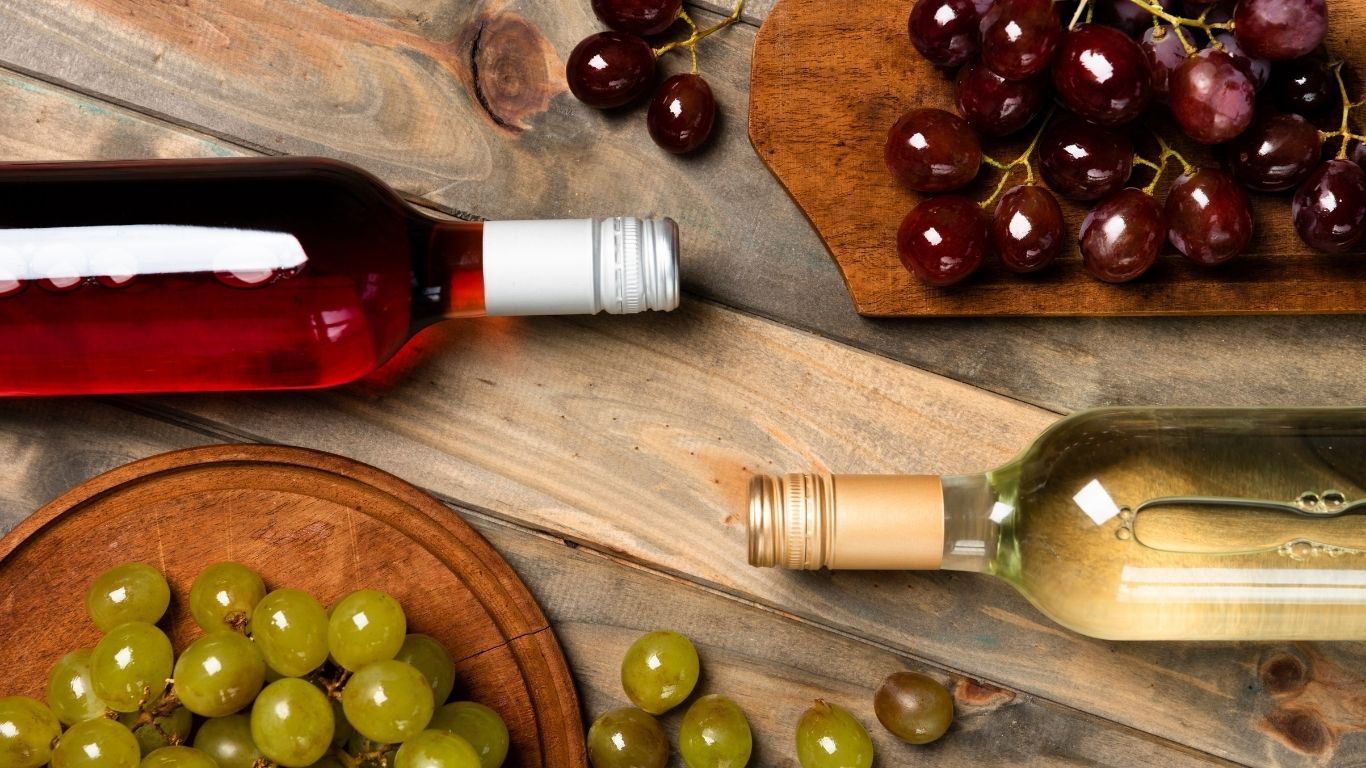
The counterfeit wine market is a significant issue, with estimates suggesting that as much as 20% of all wine sold globally could be fake. This includes everything from everyday drinking wines to high-end, collectible bottles. The market for fake wines is estimated to be worth billions of dollars, with some experts claiming it could be as high as $65 billion.
Key aspects of the counterfeit wine market:
- Scale of the problem:Estimates vary, but many experts and organizations like Interpol and the World Trade Organization agree that a substantial portion of wine sold is fraudulent.
- Types of fraud:Counterfeiting can involve everything from completely fake bottles with fabricated labels and contents to relabeling cheaper wines as more expensive brands.
- High-profile cases:Cases like the Rudy Kurniawan scandal, where he sold millions of dollars worth of fake wines, often grab headlines, but the issue is pervasive across the entire industry.
- Everyday wines affected:While high-end wines are often the focus, counterfeiters also target everyday wines like Jacob’s Creek, demonstrating the broad scope of the problem.
- Economic impact:Wine fraud results in significant financial losses for the wine industry, potentially impacting both producers and consumers.
- Erosion of trust:Counterfeit wine undermines consumer confidence in the authenticity of wine, potentially harming the reputation and value of genuine wines.
- Advanced techniques:Counterfeiters are becoming more sophisticated, using techniques like refilling bottles with cheap wine and replicating labels and seals.
- Anti-fraud measures:Wineries and other stakeholders are adopting technologies like blockchain, NFC tags, and advanced labeling to combat wine fraud.
- International cooperation:Authorities like Europol and national police forces are working together to dismantle criminal networks involved in wine counterfeiting.
In essence, the counterfeit wine market is a serious issue that affects the entire wine industry, from the smallest producers to the most prestigious brands. It’s a complex problem that requires ongoing vigilance and the implementation of effective anti-fraud measures.
One fifth of all wine sold worldwide could be fake. Now tech similar to MRI scans and gas-smelling, aroma-analyzing equipment might yield the answer.

Wine fraud can take various forms; culprits sometimes combine lesser wines to resemble bottles of top-tier vintages (as Kurniawan did), or sometimes simply pass off a cheaper wine as a more expensive one by faking the labels, cork and foil. In some instances wines can be diluted or altered with cheaper substances, occasionally even harmful chemicals.
At the top end of the market, a fraudster might only need to create a handful of counterfeit bottles to turn a healthy profit—the best Bordeaux vintages can sell for six figures a bottle—but in other cases the scale can be surprising. In 2022, a Spanish operation was dismantled that authorities said could have passed off as much as 40 million bottles of cheap table wine as finer tipples.
Attempts to combat the issue broadly fall into two camps: prevention and detection. The former focuses on ensuring that the wine you buy is authentic by virtue of tracing its every move from the moment it’s bottled; the latter encompasses a wide range of emerging technologies that try to verify a wine from its physical properties alone.
One company looking to make its mark in the traceability side of things is Crurated, a London-based platform for wine distribution and retail that offers its customers a blockchain-backed system for tracking individual bottles throughout their journey from vineyard to restaurant or customer. For CEO Alfonso de Gaetano, a former Google executive, it arose from his own frustrations as a wine collector.
Crurated offers winemakers a system wherein they can register bottles as soon as they are produced, associating each one with an NFT and creating a blockchain-backed record of its movements. It operates a warehouse in Burgundy, as well as one in Hong Kong, storing wines both for distribution and on behalf of individual owners, while a new “metaverse”-style interface allows the wine’s owner to see its exact location on a 3D walkthrough of the shelves. Of more practical use is an NFC tag embedded in the foil seal of a bottle which not only enables its journey to be logged, but also registers when the wine has been opened.
“If you try to open the bottle, then the circuit breaks and you know that nobody can take that label and use it somewhere else,” explains Gaetano. Crurated’s challenge, he continues, was building a physical logistics system that integrated seamlessly with blockchain tracking.
“We can do it because we have control over the supply and the demand—we know the producers and the ultimate clients. If you start to add more layers, the problem becomes exponentially complex. We are the only ones able to do this globally because we work directly with the clients and there is no one else in the middle.”
It is a salient point, because the blockchain-backed “passport” for each wine only works if everyone who handles the bottle is signed up to it. For this same reason Gaetano won’t introduce wines into Crurated’s system that aren’t coming directly from the producer, but he says he is considering syndicating out his technology to them.
“One of the best producers in Burgundy was asking us if they could use our labels on all their bottles. Then we can create an additional step so that when you buy the bottle, let’s say from the distributor in the UK or in the US, you can add the bottle into your wallet,” he says. “But now, the idea is that you take out the bottle only when you want to drink the wine. Otherwise it doesn’t make sense because you are removing the bottle from the perfect provenance chain.”
Source: Wired.com
