


Economy
Wealthy Russian tourists back in EU despite Ukraine conflict
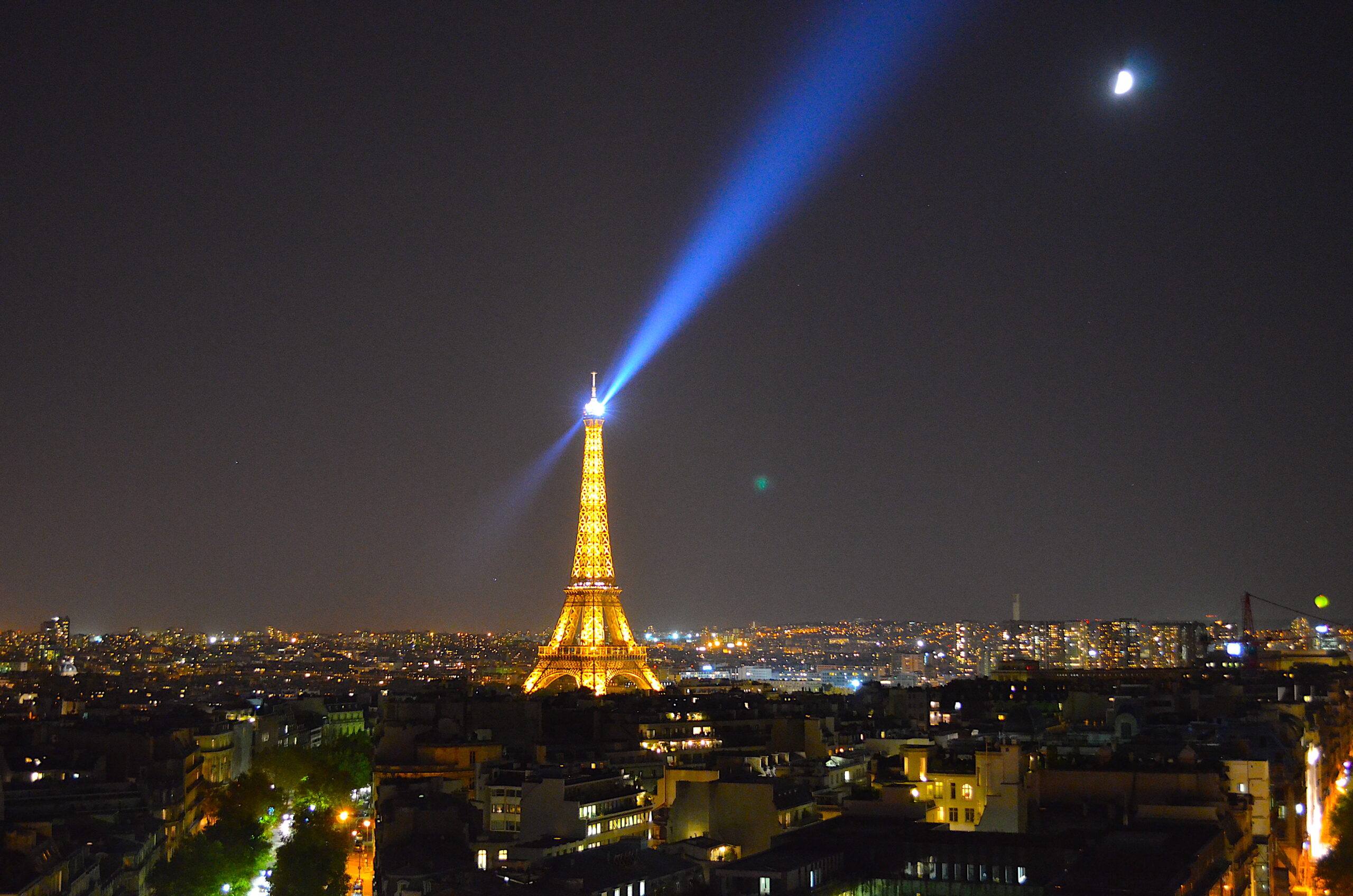
Wealthy Russian tourists are flocking back to Italy, France, and Spain — despite the Ukraine war and EU allies’ security fears.
Italy issued 152,254 Schengen area visas at its two Russian consulates last year (according to EU Commission figures) – almost 19,000 more than in 2023.
France issued 123,890 visas in 2024 (25,000 more) and Spain 111,537 (15,000 more).

The Schengen travel zone covers 25 EU countries plus Iceland, Liechtenstein, Norway, and Switzerland.
Russian trips to Europe nosedived after the EU froze a visa-free deal and imposed aviation sanctions in 2022 due to Russia’s full invasion of Ukraine.
But 2024 figures showed a clear rebound, with 552,630 new Schengen visas issued overall, some nine percent more than in 2023.
Greece (59,703 visas last year) and Hungary (23,382) also welcomed Russians with open arms.
It costs about €1,000 to fly return from Moscow to Paris or Rome, usually via Turkey or the UAE, on top of visa fees and hotel costs.
This is more than most Russians’ monthly salaries, making EU travel a luxury affair.
Less well-off Russians went to Egypt and Turkey, or to (Russian-occupied) Crimea in Ukraine, Sochi on Russia’s Black Sea coast, and Russia’s Altai region instead.
But what Russians called their ‘golden youth’ (fashion influencers, oligarchs’ kids, and pop stars) routinely posted flashy selfies on Instagram from trips to Paris and Courchevel in France, Sardinia in Italy, or Ibiza in Spain, despite the Ukraine war and Russia’s toxic anti-Western propaganda.
The list included Ksenya Borodyna, Ida Galich, Dana Manasir, Nikita Mazepin, Olga Orlova, and Ksenya Sobchak, in a glimpse into the EU lifestyles of Russia’s party crowd.
Regular Russian travellers also posted EU holiday videos on YouTube as souvenirs and status symbols.
And while the EU Commission figures covered work and study visas as well as tourism, the bulk of the mass-scale visits were pleasure trips.
“Russian tourists [who make it to the EU] will, on average, be wealthier than European tourists,” said Jamie Shea, a former senior Nato official.
“European resorts like them [Russians] because they buy properties at exorbitant rates, stay in expensive hotels instead of Airbnbs, and spend money in boutique shops,” he said.
“Russians don’t do picnics,” Shea said.
France said it’s also good for Russia relations.
“People-to-people relations and cultural ties can play a positive role in fostering mutual understanding and dialogue between populations,” the French EU and foreign affairs ministry told EUobserver in an emailed statement.
“We work hard at maintaining a differentiation between the [Russian] regime responsible for the [Ukraine] war and the population, its civil society, and the opposition,” it said.
“It is essential to maintain this window, to enable Russian society to get access to a plurality of reliable sources of information,” it added.
And Emily Ferris, from the Royal United Services Institute (Rusi), a defence think-tank in London, echoed the French view.
“I’ve travelled widely in Russia and to tar an entire nation for the decisions of its leader is unfair,” she said.
“Russians aren’t responsible for what their government does and they don’t make foreign policy decisions,” Ferris said.
The Italian and Spanish foreign ministries didn’t reply to EUobserver.
EU visa split
But the numbers showed that French, Italian, Spanish, Greek, and Hungarian visa policy was diametrically opposed to the approach of EU states which bordered Russia, or which had a record of recent Russian sabotage attacks.
Russian tourism was “in no way justified in a situation where Russia continues the war in Ukraine and simultaneously intensifies hybrid activities against EU countries,” the Estonian foreign ministry told this website, for one.
Czech foreign minister Jan Lipavský also told EUobserver: “Russian intelligence services have a long history of exploiting uncontrolled travel flows, including tourism, as part of their tactics”.
For its part, Russia-bordering Finland issued just 3,211 Schengen visas in Russia last year (some 7,500 fewer than in 2023).
The three Baltic states issued 3,882 in total and Poland merely 251.
Bulgaria issued 11,815 visas in 2024, but this was the steepest individual fall (by over 36,000) of any EU country, while the Czech Republic granted just 148.
The Baltic states, Bulgaria, the Czech Republic, Finland, Germany, Poland, Romania, and Sweden all saw Russia-linked sabotage incidents in the past three years.
And even Germany, which was home to the EU’s largest Russian diaspora, has pulled up the drawbridge.
Germany issued 17,202 visas to Russians last year, which was also an increase, but still tiny compared to pre-Ukraine war and pre-Covid levels of almost 300,000.
Source: euobserver.com


