


Innovation
How to Tell the Difference Between Cubic Zirconia and Diamond
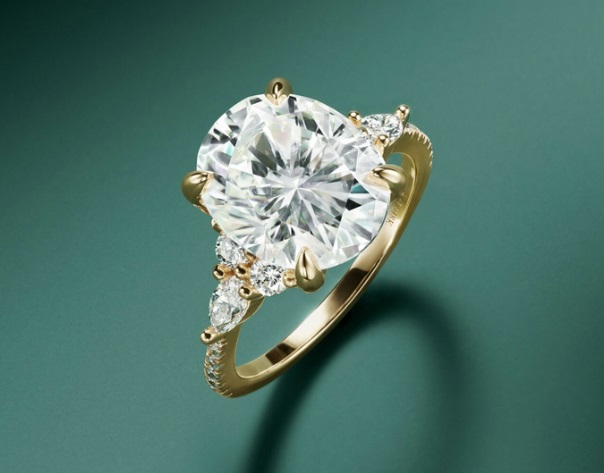
Cubic zirconia (CZ) is a man-made stone, developed in the 1970s as a cost-effective diamond simulant. It is composed of zirconium dioxide and is created in a controlled lab environment. Cubic zirconia is known for its ability to mimic the look of a diamond while being available at a much lower cost. Cubic zirconia is not the same as natural diamonds or lab diamonds.
Diamonds are gemstones that form either under high pressure and temperature conditions deep within the Earth’s mantle or in controlled laboratory environments that mimic the natural process. They are composed mostly of carbon atoms arranged in a crystal lattice. This unique composition gives diamonds their extraordinary hardness and light performance.
When comparing CZ and diamond, several properties highlight their fundamental differences:

Appearance
At a glance, cubic zirconia and diamonds can appear similar. However, upon closer look, their differences become apparent. Diamonds have a higher refractive index than cubic zirconia, which means they tend to sparkle more intensely. Diamonds also display a sharper brilliance and distinct fire. Cubic zirconia tends to show a more pronounced rainbow-like effect, which can appear more artificial in certain lighting.
Another difference is that CZ stones are perfectly transparent, whereas most diamonds have natural inclusions or slight color variations. For those looking for a stone that mimics the “perfect” appearance, CZ may be appealing — but this perfection can also make it easier to distinguish from a real diamond, which often has minor imperfections that give it character.
Durability
One of the most significant differences between CZ and diamonds is their hardness. Diamonds are the hardest natural material on Earth, scoring a 10 on the Mohs hardness scale, which makes them highly resistant to scratching. This durability makes diamonds ideal for daily wear in engagement rings and other fine jewelry.
Cubic zirconia, by comparison, has a hardness of 8-8.5, meaning it is much more prone to scratching, chipping, and losing its luster over time. CZ is softer and more porous, so it can cloud or become dull with prolonged use, especially when exposed to chemicals or everyday wear and tear.
Price
Price is one of the most significant differences between cubic zirconia and diamonds. Cubic zirconia often costs a fraction of the price of a diamond. A 1-carat CZ stone may cost a few dollars, whereas a 1-carat diamond can range in the thousands, depending on factors such as cut, clarity, color.
When evaluating the total cost of ownership, consider that a quality diamond will likely maintain or even increase its value over time, while a cubic zirconia will gradually lose its aesthetic appeal and need replacement. For jewelry intended to last decades, this replacement cost should factor into the decision.
How to Tell the Difference Between Cubic Zirconia and Diamond
Cubic zirconia is manufactured to mimic the appearance of a diamond, so at a glance or when the stones are smaller, it can be hard to distinguish the two. But upon closer inspection there are a few easy ways to tell the difference between cubic zirconia and diamonds just by looking:
Brilliance vs. Fire: Diamonds show balanced white light reflection with some color dispersion; CZ displays more rainbow effects and less white brilliance
Flawless Appearance: CZ typically lacks the tiny natural inclusions present in almost all diamonds
Color Differences: CZ may appear slightly gray or yellowish next to high-grade diamonds, and can become cloudy with wear
