


Health & Beauty
Telomeres and the Secret to Longevity: How to Protect Your Chromosomes from Free Radicals
Telomeres are repetitive DNA sequences located at the ends of chromosomes that play an important role in maintaining the stability and integrity of the genome. These are protective structures that act as a “helmet” or “cap” at the ends of chromosomes and prevent damage and loss of genetic information during cell replication. As a cell divides, DNA replication is not perfect, and a small portion at the end of each chromosome cannot be copied correctly. Telomeres cap this area, allowing the cell to “lose” a small portion of the repetitive sequence with each cell division without affecting essential genes.
With each cell division, telomeres become shorter, and as they reach a certain critical length, the cell can enter a state of cellular aging known as senescence. If telomeres become too short, the cell can suffer irreparable genetic damage and enter apoptosis (programmed cell death) or a state of genomic instability, which can lead to the development of cancer.
Thus, telomeres play a crucial role in controlling the process of cellular aging and preventing abnormal cell growth. Research on telomeres and the enzymes involved in their extension (such as telomerase) is of interest in the field of aging and diseases associated with aging, such as cancer.

Elizabeth Blackburn and Carolyn Widney, two biologists, were recognized and awarded for their work on the molecular description of telomeres and the identification of the enzyme telomerase. Their research helped humanity understand how the length of telomeres, an important part of human chromosomes, is related to the process of cellular aging. Since then, the study of telomeres has become a topic of interest in the field of longevity research.
What role do telomeres play in slowing down aging?
Telomeres play an important role in slowing down cellular aging and maintaining the integrity of the genome. As cells divide and telomeres become shorter, this can trigger cellular and molecular processes that contribute to aging in the body.
By maintaining the length and integrity of telomeres, chromosome damage can be prevented and essential genetic information can be protected. Telomeres act as a protective buffer, allowing for the correct replication of DNA and preventing the loss of important genes. Thus, the presence of long and functional telomeres can extend cellular life.
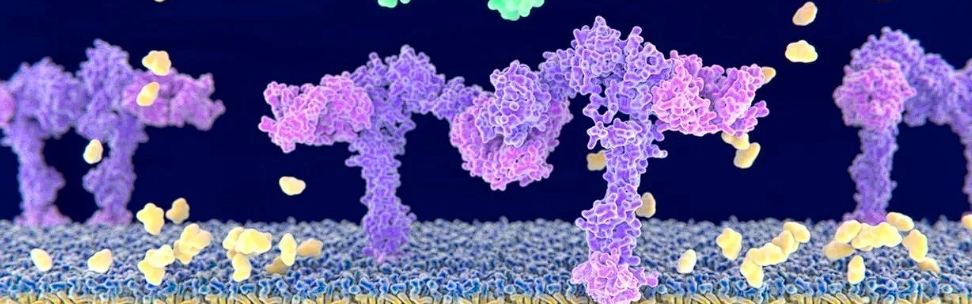
A key factor in maintaining the length of telomeres is the enzyme called telomerase. Telomerase has the ability to add repetitive sequences to the ends of chromosomes, lengthening telomeres and compensating for their shortening caused by replication. Telomerase activity is tightly regulated and is present in a limited number of cells, such as stem cells and germ cells, which have the ability to regenerate and multiply throughout life.
However, telomeres are not the only factor involved in the aging process. Other factors such as oxidative stress, chronic inflammation, epigenetics and environmental factors can influence and accelerate the shortening of telomeres. There is also a biological limit to the ability of telomerase to lengthen telomeres, so this capacity is limited and cannot completely reverse the process of telomere shortening.
As we age, telomeres gradually shorten as a result of the natural process of cell division. The rate of their shortening is specific to each person and acts like a clock for the cell, as it limits the number of cell divisions. This process is associated with a number of age-related diseases, such as cancer, cardiovascular disease and neurodegenerative disorders such as Alzheimer’s and Parkinson’s.
But what factors influence this process? Recent studies have shown that environmental factors such as stress, unbalanced diets, or tobacco can directly affect the shortening of telomeres. For example, chronic stress has been shown to accelerate the shortening of these DNA sequences, leading to premature aging and an increased risk of developing the age-related diseases mentioned above.
How to prevent the slowing down of telomere shortening
Certain healthy lifestyle habits can help slow the rate of telomere shortening, such as:
Eat a balanced diet rich in fruits, vegetables, lean proteins, and healthy fats. Antioxidants in foods, such as vitamins C and E, can help reduce oxidative stress and protect telomeres. Reduce stress: Chronic stress can accelerate the shortening of telomeres. Adopt stress management techniques. Maintain an active lifestyle: Regular exercise and physical activity have been associated with longer telomeres. Include moderate or vigorous physical activity, such as walking, in your daily routine.
Source: springfarma.com
