
Health & Beauty
IVF and ICSI: the most popular assisted reproductive technologies that help infertile couples
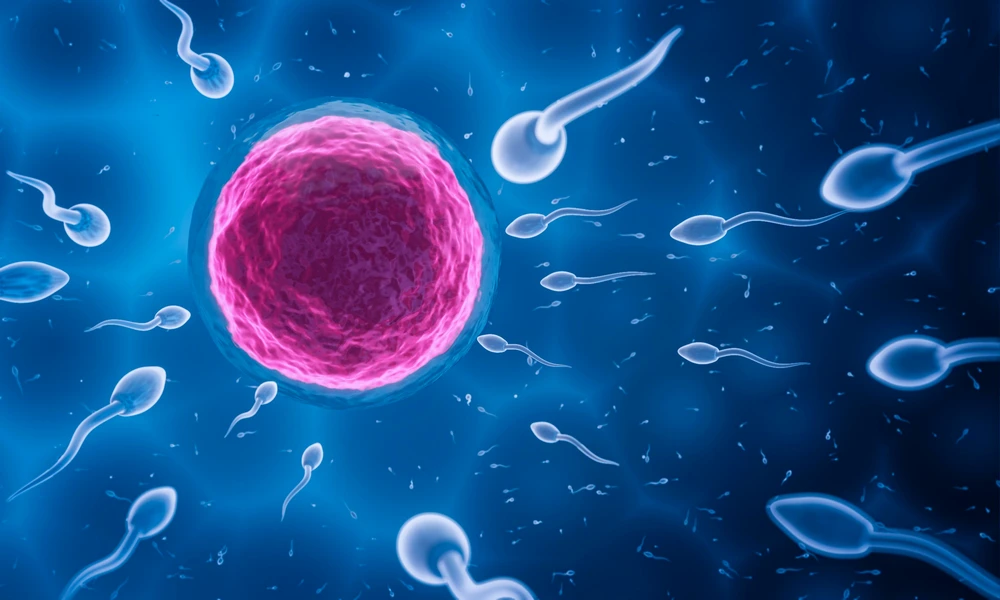
Assisted reproduction is a complex medical procedure and can treat various cases of infertility.
In recent years, great progress has been made in the field of assisted reproductive technologies (ART) and an impressive increase in the demand for the in vitro fertilization (IVF) procedure has been observed. In the next 10 years, many countries in the world want to significantly improve the success rates of IVF and personalized treatments.
Assisted reproduction – When are IVF and ICSI recommended?
Many women who do not have sufficient knowledge probably wonder what assisted human reproduction is and where it is applied in our country. This is a set of techniques and clinical practices that allow procreation without sexual intercourse, through the intervention and indication of a doctor. For example, in vitro fertilization (IVF) is a popular treatment, an assisted human reproduction procedure and is performed at the Embryos clinic in the capital.
The in vitro fertilization procedure is apparently simple, but various controversial ideas have emerged associated with it, which are related, for example, to the anonymity of the donor.

When it comes to this field, the sphere of IVF technology, we refer to fertility doctors who are supported in their work by other people: biologists, nurses, licensed midwives. We are talking about private fertility and gynecology clinics, about private reproductive medicine practiced in the country and abroad.
These assisted human reproduction therapies help couples who have been struggling with infertility for a long time to have a child. The procedures are also helpful for people who are facing unexplained infertility.
A very popular procedure is intracytoplasmic sperm injection (ICSI), which consists of introducing a single sperm inside a mature egg, in order to achieve fertilization. This assisted reproduction technique is the most widely used and appeared in the early 1990s. It solves many infertility problems caused by the male factor. These can be congenital or acquired problems and can be diagnosed at specialized clinics, through consultations but especially through medical tests and special procedures.
The most common causes of male infertility are:
· Severe reduction in sperm motility
Oligospermia or low sperm count
Obstructive azoospermia or complete absence of sperm in the ejaculate, due to an obstruction in the male reproductive tract
High number of sperm with abnormal shapes that can affect fertility
Varicocele, testicular trauma or testicular defect
Hormonal disorders, infectious diseases
Ejaculation dysfunctions (absence or very low volume) that occur in retrograde ejaculation
Genetic problems (Klinefelter syndrome, mutations in the CFTR gene)
Obstruction of the seminal ducts.
The most common causes of male infertility are genetic or inflammatory in nature.
The ICSI procedure is appreciated in many specialized clinics, because it has high, constant fertilization rates. Although it has appeared for many years, this technique has not changed much. Of course, nowadays, the laboratories of specialized clinics have a series of very high-performance medical equipment and state-of-the-art microscopes. The motility of the sperm and the experience of the embryologist who performs the technique matter a lot. These two factors guarantee the effectiveness of the ICSI technique today.
Source: clicksanatate.ro