Culture & Arts
Cultural heritages of countries through the value of present art
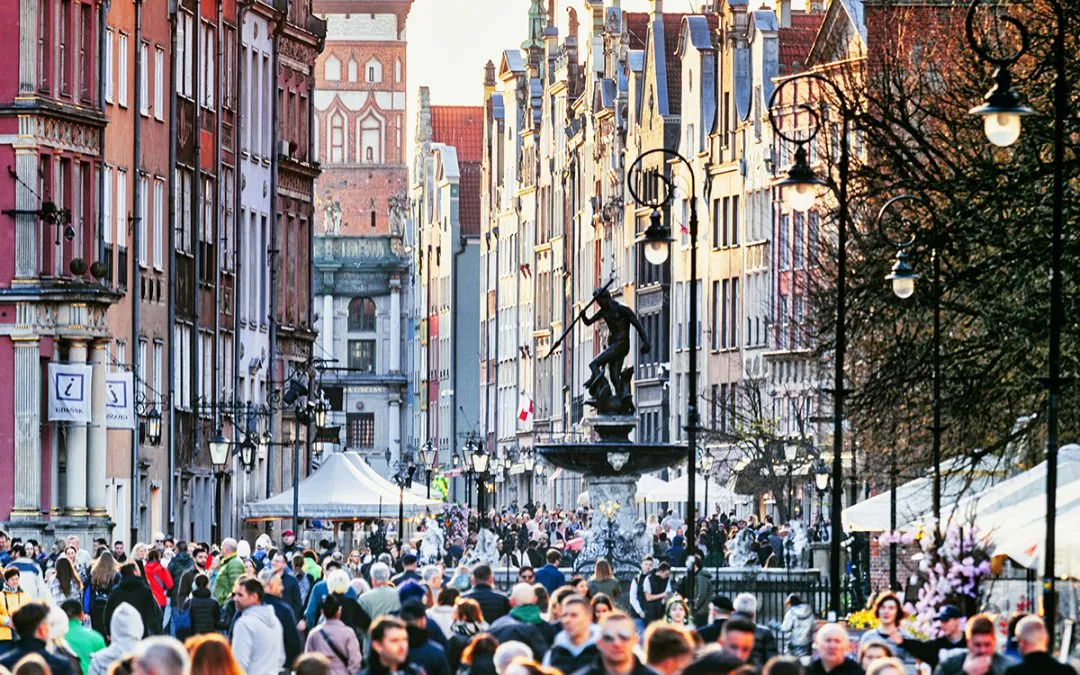
Present-day art acts as a powerful lens through which cultural heritage is viewed and valued. It reflects the values, beliefs, and traditions of a society, preserving its history and identity while also influencing and shaping its future. Art can be a tangible representation of a culture’s past, a medium for expressing its present, and a catalyst for its evolution.
Here’s how present-day art contributes to the understanding and appreciation of cultural heritage:
- Preservation and Transmission:
Visual Language:Art, in its various forms (painting, sculpture, music, dance, etc.), uses visual and symbolic language to communicate cultural narratives, beliefs, and practices.
Historical Documentation: Artists often capture and interpret historical events, social customs, and daily life, creating a visual record of a culture’s past.

Intangible Heritage:Art can represent and transmit intangible aspects of culture, like oral traditions, music, dance, and rituals, ensuring their survival and continuity.
- Cultural Identity and Belonging:
Reflection of Identity:Artworks can express a culture’s unique identity, values, and worldview, fostering a sense of collective belonging among its people.
Symbolic Representation: Artistic symbols, motifs, and styles can carry deep cultural meanings and resonate with the collective memory and identity of a community.
Community Engagement:Art can be a powerful tool for community engagement, fostering dialogue, and celebrating cultural diversity.
- Social Commentary and Evolution:
Highlighting Issues: Contemporary artists often use their work to address social, political, and cultural issues, prompting reflection and dialogue about contemporary challenges.
Challenging Norms: Art can challenge existing cultural norms and values, prompting critical thinking and potentially leading to social change.
Cultural Transformation: By reflecting on the past and engaging with the present, art can contribute to the ongoing evolution and transformation of cultural heritage.
- Economic and Social Impact:
Creative Industries: The creative sector, including art, music, and design, can generate jobs and livelihoods, contributing to the economic well-being of communities.
Tourism and Cultural Exchange: Cultural heritage sites, museums, and art events can attract tourists, promoting cultural exchange and economic development.
Social Cohesion: Art can foster social cohesion by providing a platform for shared experiences, promoting understanding, and celebrating cultural diversity.
In conclusion, present-day art plays a crucial role in preserving, transmitting, and evolving cultural heritage. It acts as a bridge between the past, present, and future, enriching our understanding of different cultures and contributing to a more vibrant and interconnected world.
The Role of Art in Cultural Identity
Art plays a crucial role in forming and expressing cultural identity. It captures the essence of a community’s beliefs, traditions, and experiences, preserving them for future generations. Through visual storytelling, art conveys complex cultural narratives that might otherwise be lost. This preservation of heritage ensures that cultural identity remains vibrant and influential.
Furthermore, art fosters a sense of belonging and pride within a community. Public art installations, for example, become landmarks that locals identify with, strengthening communal bonds. These artistic expressions celebrate diversity and encourage cultural exchange, fostering mutual respect and understanding among different communities.
Art as a Catalyst for Social Change
Throughout history, art has been a powerful tool for social activism. It challenges the status quo, giving voice to marginalized groups and sparking conversations about critical issues. From protest art to socially engaged projects, artists use their platforms to highlight injustices and advocate for change.
By engaging audiences on an emotional level, art can inspire empathy and action. Iconic works like Picasso’s “Guernica” or Banksy’s street art have raised awareness and influenced public opinion on various social and political matters. This ability to provoke thought and motivate action makes art an indispensable element in the pursuit of social justice.
The Economic Impact of Art
The art industry significantly contributes to the economy through various channels. Art galleries, museums, and cultural events attract tourism, generating revenue and creating jobs. The commercial art market, including sales of artworks and art-related merchandise, is another substantial economic driver.
Moreover, art investments have become a popular means of wealth preservation and growth. High-net-worth individuals often include art in their portfolios, recognizing its potential for long-term appreciation. This economic aspect of art underscores its value beyond aesthetics, highlighting its role in financial ecosystems.
The Future of Art in Society
As technology evolves, the landscape of art continues to change. Digital art, virtual reality, and artificial intelligence are expanding the possibilities for creative expression. These innovations are democratizing art, making it more accessible to a global audience and encouraging new forms of artistic collaboration.
Despite these advancements, the fundamental role of art in society remains unchanged. It continues to inspire, challenge, and connect us. By embracing both tradition and innovation, we can ensure that art remains a vital and dynamic force in shaping our cultural and communal landscapes.
Summary
In exploring the multifaceted impact of art in society, artists recognize its enduring power to influence and transform. That’s why I love bringing students together to my art classes to learn, enjoy art, and express how they see the world. Art not only reflects our world but also shapes it, fostering connections and inspiring progress. Whether through cultural preservation, social activism, economic contributions, public engagement, therapeutic benefits, education, or future innovations, art remains an essential pillar of human experience. As artists continue to navigate an ever-changing world, the presence and influence of art remind us of our shared humanity and the boundless possibilities of creative expression.